- CBT and DBT informed
- Goal focused
- Minnesota LPCC
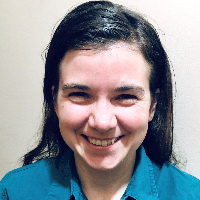
About Alice
She has worked across many settings including homes, schools, workplaces, inpatient and outpatient clinics. Those roles shaped how she approaches sessions today and inform the way she helps people set realistic goals. Sessions are framed around everyday steps people can try between appointments.
Alice uses methods from cognitive behavioral therapy to identify unhelpful thinking and build new coping skills. She also draws on dialectical behavior therapy skills for emotional regulation and moment-to-moment coping. Motivational interviewing is used when making change feels hard or motivation is mixed.
In the room she helps people break problems into smaller parts and turn insight into action. She focuses on short- and long-term goals and on building hope that change is possible. Her approach acknowledges cultural context and personal values when planning next steps.
Typical concerns she addresses include depression, grief, addiction, trauma, ADHD, parenting strain, caregiver stress, body image, and blended family challenges. People can expect clear steps, practical skill-building, and collaborative planning to fit daily life.
Areas of expertise
Primary focus
Also works with
Additional focus areas
Therapeutic approaches
Experience
13+ years
Credentials
Minnesota
Languages
English
How evidence-based approaches guide online care
Alice bases work on methods that focus on thinking, behavior, and moment-to-moment coping. Cognitive Behavioral Therapy (CBT) helps identify unhelpful thoughts and replace them with practical actions to reduce anxiety or depressive symptoms. Dialectical Behavior Therapy (DBT) teaches emotion regulation, distress tolerance, and interpersonal skills for people who struggle with intense feelings. Motivational Interviewing supports people who feel stuck by helping them clarify their own reasons for change and build commitment.Finding the right approach is part of the process. The therapist collaborates with each person to choose methods that match their goals and preferences. Sessions can shift over time as needs change, with the client guiding which techniques feel most useful.
Session formats should be confirmed before booking. The therapist offers video and phone sessions in evening hours and messaging and live chat during morning and afternoon periods and other available sessions. Online options can make it easier to fit therapy into a workday, allow shorter check-ins, or remove the need to travel. Those practical benefits can help clients maintain consistency and apply skills between meetings.
Frequently asked questions
What kinds of problems does this therapist help with?
She helps people manage stress, anxiety, depression, addictions, relationship conflict, grief, trauma, and coping with life changes. Additional focuses include parenting strain, caregiver stress, ADHD, bipolar concerns, and body image.
What is her therapy style like?
Her work is practical and goal-oriented. Sessions mix skill practice, insight, and planning for small steps between appointments.
How much clinical experience does she have?
She has 13 years in the helping professions with roles in homes, schools, inpatient and outpatient settings. That background informs how she supports day-to-day change.
What are her credentials and where is she based?
She is a Licensed Professional Clinical Counselor, LPCC, practicing in Minnesota.
Which languages are available for sessions?
Sessions are offered in English.
Can people outside the United States work with her?
She does not accept international clients at this time.
How are sessions scheduled and what formats are used?
Evening appointments are available by video and phone. Messaging and live chat are offered in morning and afternoon times and at other available sessions. Confirm current session options before booking.
How does payment and getting started work?
Cost varies by location and availability; sessions use a subscription that can be canceled at any time. To begin, select the Start Therapy button, complete the short matching questionnaire, and schedule according to therapist availability.