- Stress and anxiety
- Trauma recovery
- Life changes
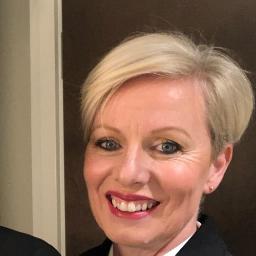
About Alison
She uses common, practical approaches such as Acceptance and Commitment Therapy, Cognitive Behavioral Therapy, and Client-Centered Therapy. Sessions focus on clear goals like coping skills for anxiety, managing grief, addressing sleep problems, and reducing compassion fatigue. Conversations are tailored so people leave with small, doable steps between meetings.
Alison also addresses concerns including addictions, relationship difficulties, anger, self-esteem, career questions, and identity issues such as gender dysphoria. Additional topics she works with include adoption and foster care, abandonment, family of origin issues, and first responder stress. Her background includes work with military and veteran populations and related transitions to civilian life.
In sessions she combines talk with practical tools and motivational strategies. She listens first, then collaborates on a plan that fits a person’s daily life and goals. People who want clear direction and compassionate support may find this a good fit.
Alison holds a Licensed Clinical Social Worker credential, abbreviated LCSW. She practices in North Carolina and conducts sessions in English. To begin, people use the site’s Start Therapy button and complete a short matching questionnaire before scheduling.
Areas of expertise
Also works with
Additional focus areas
Therapeutic approaches
Experience
15+ years
Credentials
North Carolina
Languages
English
Therapeutic approaches and how they fit online
Alison uses Acceptance and Commitment Therapy and Cognitive Behavioral Therapy as part of her work. Acceptance and Commitment Therapy (ACT) helps people notice difficult thoughts and feelings without getting stuck, then choose actions that match their values. Cognitive Behavioral Therapy (CBT) focuses on changing unhelpful thinking patterns and practicing new behaviors to ease symptoms like anxiety and sleep problems.Finding the right approach is collaborative. Alison listens to each person’s goals and priorities and then suggests methods that fit those needs. She works together with clients to try tools, adjust strategies, and pick what feels most useful over time.
If you are considering online sessions, confirm the specific session options when you book. Online work can make it easier to fit therapy into a busy schedule, allow shorter check-ins when needed, and remove the need to travel to an office. Therapists can use talk-based methods, worksheets, and behavior plans just as effectively when sessions are scheduled to suit everyday life and goals. Ask about the available session formats before scheduling to make sure they match your needs.
Frequently asked questions
What kinds of concerns does Alison address?
She works with stress, anxiety, trauma and abuse, depression, grief, sleep issues, anger, and compassion fatigue among other concerns.
What is her general approach in sessions?
Sessions emphasize respectful, client-centered conversation combined with practical tools from approaches like ACT and CBT to build coping skills and small action steps.
How much clinical experience does she have?
She brings fifteen years of professional experience and has worked with military and veteran populations and issues related to transitions to civilian life.
Where is she licensed and practicing?
She is a Licensed Clinical Social Worker, LCSW, practicing in North Carolina.
Which languages are supported for sessions?
Sessions are offered in English.
Can international clients work with her?
She does not accept international clients at this time.
How does payment or cost work?
Cost varies with location and therapist availability; sessions use a subscription that can be canceled at any time.
How do I begin working with Alison?
Click the Start Therapy button, complete a short matching questionnaire, and then schedule according to the therapist’s availability.