- Practical coping skills
- Faith-informed support
- Communication focus
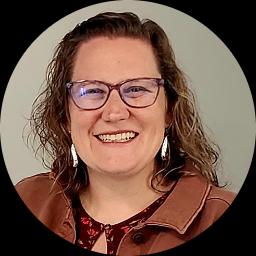
About Amanda
She uses practical methods to help clients build coping skills and improve communication. Sessions emphasize clear goals and small, achievable steps. She also integrates faith when clients request Christian-based support while respecting each person’s beliefs.
Amanda’s background includes work with adolescents, adults, and couples in a range of settings. Early roles involved intake work, life skills classes, and co-parenting education. She has experience in residential services, crisis response, suicide risk assessment, and coordinated hospital referrals when needed.
During graduate training she provided individual, group, and couples work in faith-based settings and gained experience in grief and trauma resolution, plus exposure to Equine Assisted Therapy. She also supported military families at Ft. Carson, helping with crisis management, family meetings, and adjustment issues related to deployment.
Her style is collaborative and straightforward. Amanda encourages clients to take an active role in therapy and works with them to set realistic goals. People who want clear steps, practical coping tools, and a therapist who honors their values may find her approach helpful.
Areas of expertise
Primary focus
Also works with
Additional focus areas
Therapeutic approaches
Experience
10+ years
Credentials
North Carolina
Languages
English
How Amanda’s approaches translate to online work
Amanda uses Client-Centered Therapy to focus on each person’s pace and priorities, offering a listening stance that helps people feel heard and understood. Cognitive Behavioral Therapy (CBT) is used to identify unhelpful thought patterns and try small behavior changes that can reduce anxiety and improve mood. Narrative Therapy helps clients tell their story in new ways, separating problems from identity and opening space for new meanings.Finding the right approach is part of the process. Amanda works together with clients to decide which methods fit best for their goals, needs, and values. That collaboration can mean mixing approaches or shifting focus as progress is made.
The biography does not list specific online session formats, so confirm current options before booking. Online sessions can make it easier to fit therapy into a busy life - for example, shorter check-ins during a work break, or video time that saves travel. Discussing scheduling preferences and practical needs helps match the format to everyday routines without promising a particular service.
Frequently asked questions
What concerns does Amanda commonly help with?
She works with stress, anxiety, relationship problems, trauma and abuse, grief, depression, parenting and intimacy-related issues among other concerns.
How would you describe her therapeutic style?
Her approach is collaborative and goal-oriented, using practical strategies and open conversation to help people make changes over time.
What kind of experience does she bring?
She has 10 years of professional experience in clinical and community settings, including work with adolescents, adults, couples, and military-connected families.
What credentials and location are listed for this therapist?
She holds an LCMHC credential and is licensed in North Carolina.
Which languages are supported and are international clients accepted?
Sessions are offered in English and international clients are not currently accepted.
What session formats are available?
The original biography does not specify session formats; please confirm current options before scheduling.
How is cost handled for sessions?
Cost varies with location and therapist availability, and sessions use a subscription that can be canceled at any time.
What steps should someone take to begin work with her?
Select the Start Therapy button, complete the short matching questionnaire, and schedule according to therapist availability.