- Client-centered care
- Skill-based tools
- Military-informed
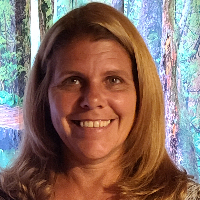
About Amanda
She draws on client-centered methods to keep conversations grounded in each person's priorities. Amanda also uses cognitive behavioral techniques to identify unhelpful thinking and DBT skills to teach emotion regulation and distress tolerance. Mindfulness and trauma-focused work are woven in when needed to address painful memories and overwhelming reactions.
Amanda has about ten years of clinical experience and has worked in roles that include advocacy for children and therapeutic foster care. Her background also includes long service in the Army and the South Carolina Army National Guard, and she understands military and veteran concerns from that perspective.
In sessions she focuses on common worries like stress, anxiety, depression, relationship strain, trauma and family issues. She also addresses related concerns such as panic, dissociation, guilt and shame, impulse control, and questions about life purpose.
People who choose Amanda are often looking for clear tools alongside supportive listening. She helps clients practice new skills between sessions and maps small, achievable steps toward better day-to-day functioning.
Areas of expertise
Primary focus
Additional focus areas
Therapeutic approaches
Experience
10+ years
Credentials
South Carolina
Languages
English
How these approaches translate to online care
Amanda commonly uses Cognitive Behavioral Therapy and Dialectical Behavior Therapy to guide her work. CBT helps people notice and change thoughts and behaviors that keep problems going, which is useful for anxiety, depression, and panic. DBT emphasizes emotion regulation, distress tolerance, and interpersonal skills to manage intense feelings and improve relationships.Finding the right approach is part of the work. Amanda will collaborate with each person to test methods and adjust plans based on goals and how well techniques fit their life. That collaborative process helps pick skills and exercises that feel useful and realistic.
The biography does not list specific session formats, so confirm available online options before booking. Online therapy can make it easier to fit sessions into a busy week, reduce travel time, and let people use written exercises or digital handouts between meetings. It can also support shorter check-ins when schedules are tight or sessions that focus on practicing skills together without needing to come into an office. Licensed professionals use these formats to help clients build consistent habits and apply new skills in everyday situations.
Frequently asked questions
What kinds of problems does Amanda help with?
She works with stress, anxiety, depression, trauma and abuse, relationship strain, and family concerns. Additional areas include panic, dissociation, guilt and shame, self-harm, and veteran and armed forces issues.
What is her therapy style like?
Her style is client-centered and practical, offering listening plus clear tools. Clients can expect skill practice and straightforward strategies for daily life.
How much clinical experience does she have?
She has ten years of experience in the mental health field, with roles that include advocacy work and therapeutic foster care.
What are her credentials and where is she located?
She holds the credential LISW-CP, which is listed as SC LISW-CP, and practices in South Carolina.
Can I work with her if I live outside the United States?
Sessions are offered in English and she accepts international clients; confirm language needs when you begin the intake process.
What session formats does she offer?
The biography does not specify session formats; please confirm current session options before booking so you know what’s available.
How much do sessions cost?
Cost varies with location and therapist availability, and sessions use a subscription that can be canceled at any time.
How do I begin working with her?
Click the Start Therapy button, complete the short matching questionnaire, and then schedule according to the therapist's availability.