- Compassionate approach
- Goal oriented
- Practical strategies
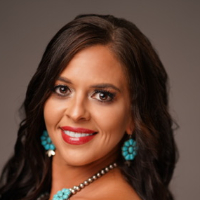
About Amy
Amy uses straightforward, practical methods in sessions. She adapts her approach to each person instead of using one fixed method. That can mean focusing on thoughts and behaviors, drawing on mindfulness to reduce overwhelm, or using motivational techniques to build momentum for change. Sessions tend to focus on clear goals and small steps that fit day-to-day life.
Her background includes work in private mental health agencies, child protective services, hospitals, group homes, and public schools. She has experience supporting people affected by foster care and adoption issues and those facing medical or terminal illness. Amy currently works with veterans on concerns such as depression, anxiety, post-traumatic stress, and military sexual trauma.
Amy describes herself as compassionate and energetic and aims to create a collaborative relationship. She helps people identify strengths, set realistic goals, and track progress over time. Her style is practical, encouraging, and focused on helping clients make workable changes.
To begin, she asks people to consider their priorities and goals so sessions can be tailored to what matters most. This keeps work focused and grounded in everyday problems and solutions.
Areas of expertise
Primary focus
Also works with
Additional focus areas
Therapeutic approaches
Experience
7+ years
Credentials
North Carolina
Languages
English
Talk-based methods and what they offer online
Amy draws on Client-Centered Therapy to build a respectful, collaborative relationship where a person's goals guide sessions. This approach focuses on listening, understanding strengths, and helping people set their own priorities.She also uses Cognitive Behavioral Therapy, which looks at how thoughts and behaviors affect mood and functioning. CBT usually involves setting small, practical tasks to reduce anxiety, change unhelpful thinking, and improve daily routines. These methods are often useful for stress, anxiety, depression, and sleep or eating concerns.
Finding the right approach is part of the work. Amy will talk with someone about their needs, goals, and preferences and then try methods that fit best. That way the plan can change if something isn’t working and successful techniques can be repeated.
Confirm current session options before booking so you know how sessions are offered. Online therapy can make it easier to fit sessions into a busy week, shorten travel time, and allow quicker check-ins between in-person visits. It also makes it possible to keep therapy consistent during moves or schedule changes without promising a specific format.
Frequently asked questions
What kinds of issues can Amy help with?
Amy supports people with stress, anxiety, depression, trauma and abuse, relationship and family concerns, ADHD, addictions, grief, and many other life challenges listed in her specialties.
How would you describe her therapeutic style?
Her style is practical and collaborative. Sessions focus on clear goals, small steps, and techniques that match each person's needs.
What experience does she bring to sessions?
Amy has seven years of clinical experience and has worked in agencies, child protective services, hospitals, group homes, and public schools.
What credential does she hold and where is she based?
She is a Licensed Clinical Social Worker, LCSW, licensed in North Carolina and practices from that state.
What languages are supported for therapy?
Sessions are offered in English.
Can international clients work with her?
She does not accept international clients at this time.
How are sessions paid for and how does cost work?
Cost varies with location and therapist availability; sessions use a subscription model that can be canceled at any time.
How do I begin working with her?
Use the Start Therapy button, complete a short matching questionnaire, and then schedule according to the therapist's availability.