- Client-centered care
- Narrative approaches
- Goal focused
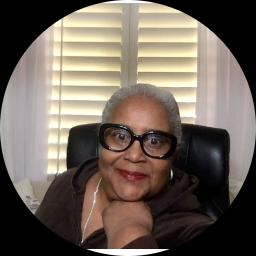
About Andrea
In sessions she listens first and follows the client’s lead. She uses conversation to help people make sense of difficult events and to find small, practical steps forward. People who bring questions about intimacy, self-esteem, sleeping, anger, or career strain often work on focused goals together.
Dr. Shirley uses narrative and client-centered ideas to reframe problems and highlight personal resources. She also draws on solution-focused and trauma-informed approaches when the work calls for them. These methods are aimed at clearer thinking, calmer reactions, and more satisfying relationships rather than quick fixes.
Clients who have experienced abandonment, adoption or foster care challenges, chronic illness, caregiving stress, or issues related to aging may find this background relevant. She also supports people dealing with commitment, communication, control, or blended family issues.
Practical help is central to her work - identifying next steps, practicing new ways of communicating, and building routines that support better sleep and stress management. The first meeting typically clarifies goals and how to move toward them together.
Areas of expertise
Primary focus
Also works with
Additional focus areas
Therapeutic approaches
Experience
27+ years
Credentials
California
Languages
English
How these approaches guide online sessions
Client-Centered Therapy focuses on the client’s experience and priorities. The therapist listens with openness and follows what matters most to the person, helping them notice their strengths and make choices that match their values. Narrative Therapy helps people separate themselves from their problems by retelling and reframing the story; this can reduce shame and highlight alternative actions when dealing with relationship, identity, or life-change issues.Finding the right approach is part of the work. The therapist will talk with each person about goals, preferences, and what has or hasn’t helped before. Together they decide whether to emphasize client-centered conversation, narrative reframing, or shorter solution-focused steps at different times in therapy.
Online therapy can make it easier to fit sessions into a busy life, reduce travel time, and allow follow-ups between major life events. Because session formats are not listed here, confirm the current session options before booking. Practical benefits include quicker check-ins when time is limited, the option to use audio-only if video is difficult, and the ability to schedule sessions around work or caregiving responsibilities.
Frequently asked questions
What kinds of concerns does Dr. Shirley address?
She works with stress, anxiety, trauma and grief, along with relationship and family concerns. Other areas include self-esteem, intimacy issues, sleeping problems, anger, career stress, and ADHD.
What is her general therapy style?
The approach is collaborative and person-centered, with an emphasis on listening and following the client's lead. Practical steps and goal-setting are used to make changes between sessions.
How much experience does she have?
She has 27 years of professional experience working with a wide range of life stressors and relationship issues.
What credentials and location are listed?
She is a licensed marriage and family therapist, LMFT, licensed in California.
Which languages are supported for sessions?
Sessions are offered in English.
Can people outside the U.S. work with her?
She is not currently accepting international clients.
How does payment and cost work?
Cost varies with location and therapist availability; sessions use a subscription that can be canceled at any time.
How do I begin working with her?
Use the Start Therapy button, complete a short matching questionnaire, and schedule according to the therapist's availability.