- Trauma-informed approach
- Practical goal focus
- Respectful and approachable
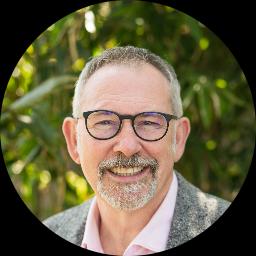
About Andrew
Andrew believes people can shift their thinking and behaviour when given clear, structured support. He uses a mix of therapies rather than one single method. Sessions are shaped around each person’s needs and goals rather than a fixed script.
His background includes work with stress, anxiety, trauma and abuse, low self-esteem, depression and major life changes. He also focuses on issues such as abandonment, body image, chronic pain and illness, communication problems and first responder issues. That range informs a flexible approach to common and complex problems.
In session he blends practical exercises, talking therapy and guided hypnotherapy when appropriate. EMDR and Brainspotting are mentioned in his work alongside ego state techniques and other trauma-informed tools. He explains options and helps people choose what feels most useful for them.
Treatment is collaborative: Andrew tailors sessions to each person’s situation and preferences. He emphasises respect, sensitivity and a non-judgemental attitude. People who want clear guidance and a down-to-earth style may find his way of working helpful.
Areas of expertise
Additional focus areas
Therapeutic approaches
Experience
16+ years
Credentials
ACA · Australia, PACFA · Australia
Languages
English
How Andrew adapts therapeutic approaches for remote work
Andrew commonly uses Acceptance and Commitment Therapy (ACT), Client-Centred Therapy and Cognitive Behavioral Therapy (CBT). ACT focuses on helping people clarify their values and take small steps that match what matters to them. Client-Centred Therapy prioritises listening and understanding so the person feels accepted as they talk through problems. CBT looks at unhelpful thinking and behaviour patterns and uses practical exercises to change them.Finding the right approach is part of the work together. The therapist will talk with each person about goals, preferences and what has or hasn’t helped before. From that discussion he suggests methods to try and adjusts the plan as progress is made, so the process stays collaborative.
The original profile does not list specific online session formats, so confirm available options before booking. Online work can make it easier to fit sessions into a busy week, reduce travel time and allow shorter check-ins when needed. It can also let people use a quieter setting, avoid heavy travel or keep appointments during work breaks. Appropriately qualified therapists adapt exercises, guided imagery and homework so they work well in remote sessions.
Frequently asked questions
What kinds of problems does he help with?
He works with stress, anxiety, trauma and abuse, low self-esteem, depression and coping with life changes, among other concerns.
How would you describe his therapy style?
He uses a blended, down-to-earth approach that mixes talking therapy, practical exercises and hypnotherapy to match what each person needs.
What is his professional background?
He has 16 years of clinical experience and has worked with a wide range of presenting issues and therapeutic techniques.
Which credentials does he hold and where is he based?
He holds ACA and PACFA credentials and practises in Australia.
Can I see him if I live outside Australia?
International clients are not currently accepted; sessions are offered in English to people in Australia.
What session formats are available?
The original profile does not specify session formats; please confirm current session options before booking.
How much do sessions cost?
Cost varies with location and therapist availability; sessions use a subscription that can be cancelled at any time.
How do I begin working with him?
Use the Start Therapy button, complete a short matching questionnaire, and schedule sessions according to the therapist's availability.