- Compassionate listening
- Evidence-based tools
- Focus on daily coping
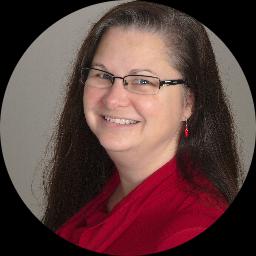
About Ann
She listens for what matters to each person and blends practical skill-building with time to process hard experiences. Sessions often focus on coping tools for panic, obsessive thoughts, social anxiety, and workplace stress. Ann also supports people challenged by chronic illness, caregiving strain, grief, guilt, and questions about life purpose.
Her work pays attention to military and veteran issues and to the emotional strain that can follow major life transitions. She uses evidence-based therapeutic techniques to help people manage mood concerns, phobias, and compulsive behaviors. The aim is to reduce the things that interfere with daily life and to strengthen what helps you keep going.
Ann approaches therapy with compassion and without judgment. She respects each person’s values and moves at a pace that feels right for them. Practical strategies and steady listening are both part of sessions.
If you want a therapist who combines real-world coping tools with thoughtful support, Ann can help you sort out next steps and build a plan that fits your life.
Areas of expertise
Primary focus
Additional focus areas
Experience
18+ years
Credentials
Ohio
Languages
English
How therapeutic approaches guide online care
Ann uses evidence-based therapeutic techniques to help people manage anxiety, depression, trauma, and life changes. One common approach focuses on building coping skills and behavioral strategies to reduce panic, obsessive thoughts, and workplace stress; this involves practicing specific tools and tracking small steps of progress. Another approach helps people process difficult experiences and emotions through structured conversations and gradual exposure to feared situations, which can ease trauma-related symptoms and build confidence.Finding the right approach is a collaborative process. The therapist will talk with each person about goals, preferences, and what has or hasn’t helped before. Together they decide which techniques to try and adjust the plan as needed so sessions stay useful and relevant.
Confirm the session formats before booking, as the profile does not specify which online options are used. Online therapy can make it easier to fit sessions into a busy life, reduce travel time, and allow shorter check-ins when schedules demand. It also lets people continue care through relocations or during times of limited mobility. A therapist can discuss practical scheduling and format details when you begin the match and scheduling process.
Frequently asked questions
What concerns does Ann commonly address?
She works with stress, anxiety, trauma and abuse, parenting, depression, and coping with life changes. Additional focuses include caregiver stress, chronic illness and pain, and issues like guilt and forgiveness.
How would you describe her therapeutic style?
Her style is compassionate and practical. She blends listening with skill-building so people leave with tools they can use day to day.
What kind of experience does she bring?
She has 18 years of experience helping people navigate mood concerns, panic and obsessive-compulsive patterns, grief, and life transitions.
Where is she based and what credential does she hold?
She is located in Ohio and holds the LPCC credential, listed as OH LPCC in her profile.
Which languages are sessions offered in?
Sessions are offered in English.
Can people outside the United States work with her?
She is not currently accepting international clients.
How does pricing and payment work?
Cost varies with location and therapist availability; sessions use a subscription model that can be canceled at any time.
What are the steps to begin working together?
Use the Start Therapy button, complete a short matching questionnaire, and then schedule sessions according to the therapist's availability.