- Practical coping steps
- Values-focused work
- English and Samoan
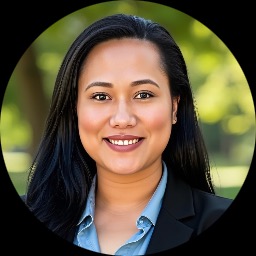
About Annastacia
Her style is down-to-earth and compassionate. Sessions aim to be practical and straightforward. She focuses on listening first, then helping people find small, doable steps to feel a bit better and manage day-to-day stress.
Annastacia draws on several approaches when shaping a plan with a person. She uses Acceptance and Commitment Therapy to help people clarify values and act on them, Cognitive Behavioral Therapy to target unhelpful thoughts and behaviors, and Client-Centered methods to make sure each person guides the pace and goals of therapy.
People who turn to her often want help with grief, addiction, parenting strain, anger, or coping with life changes. She also addresses issues like trauma and abuse, chronic illness, caregiver stress, and problems tied to adoption or blended families. Sessions also cover career stress, fertility concerns, and end-of-life matters.
When someone begins work with Annastacia, she emphasizes a step-by-step partnership. The first meetings are about understanding what matters most, then testing practical strategies together. Progress is steady rather than rushed, and plans are adjusted as needed.
Areas of expertise
Also works with
Additional focus areas
Therapeutic approaches
Experience
3+ years
Credentials
North Carolina
Languages
English, Samoan
How therapeutic approaches guide online care
Acceptance and Commitment Therapy (ACT) helps people clarify what matters to them and take small steps toward those values, even when feelings are difficult. It is often used for anxiety, depression, and major life transitions. Cognitive Behavioral Therapy (CBT) focuses on identifying unhelpful thoughts and testing new behaviors to reduce symptoms like worry or low mood. Client-Centered Therapy centers the person's own goals and pace, with the therapist following the client's lead to build trust and keep work relevant.Finding the right approach is a collaborative process. The therapist will talk with each person about their needs and goals, then suggest which methods to try first. Plans are adjusted over time based on what helps and what doesn’t, so clients have a say throughout therapy.
The therapist's biography does not list specific online session formats. Please confirm current session options before booking. In general, online work can make it easier to fit sessions into a busy life - for example, shorter check-ins can be used between appointments, audio-only meetings can reduce bandwidth needs, and virtual sessions can remove travel time. These practical benefits often help people maintain steady progress while managing day-to-day responsibilities.
Frequently asked questions
What kinds of problems does she help with?
She supports people dealing with grief, addiction, depression, anxiety, and stress. Other areas include trauma and abuse, parenting strain, relationship and family challenges, and career or caregiver stress.
What is her approach to therapy like?
Her style is compassionate and down-to-earth. She listens first, then builds simple, practical steps that fit each person's life and goals.
How much clinical experience does she have?
She has three years of experience working as a licensed clinical social worker. That experience includes work with grief, addiction, anxiety, and life transitions.
Where is the therapist licensed and based?
She holds an LCSW license in North Carolina and practices there.
Which languages are available for sessions?
Sessions are offered in English and Samoan.
What session formats are offered?
The original biography does not list specific session formats. Please confirm current session options before booking.
How does billing and cost work?
Cost varies with location and therapist availability. Sessions use a subscription that can be canceled at any time.
How do I get started with therapy?
Select the Start Therapy button, complete a short matching questionnaire, and schedule according to the therapist's availability.