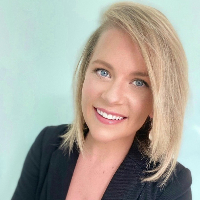
- Client-centered care
- Trauma-informed approach
- Strengths-based focus
About Ashley
She has six years of experience in varied settings. That includes child welfare, foster care and adoption services, substance abuse treatment, cancer and chronic illness care, and work in the prison system. This background informs how she helps people cope with trauma and secondary trauma, compassion fatigue, and loss.
Ashley uses a client-centered, trauma-informed approach. She treats the person in front of her as the expert on their life and lets goals guide the work. Sessions draw on Acceptance and Commitment Therapy, cognitive behavioral ideas, attachment-focused work, emotionally-focused strategies, and mindfulness depending on what fits.
Therapy with her often starts by identifying strengths and realistic next steps. She helps clients build small, practical skills for managing anxiety, cravings, grief, and daily stress. Over time the focus can shift to longer-term patterns like relationships, self-esteem, or career concerns.
People who value collaboration and clear tools may find her approach useful. She asks questions, listens closely, and works with clients to shape a plan that matches their priorities and pace.
Areas of expertise
Also works with
Additional focus areas
Therapeutic approaches
Experience
6+ years
Credentials
Florida
Languages
English
Therapeutic approaches and online options
Ashley draws from Acceptance and Commitment Therapy and Attachment-Based Therapy when shaping sessions. Acceptance and Commitment Therapy (ACT) helps people notice difficult thoughts and feelings without getting stuck in them, then choose actions that match their values. Attachment-Based Therapy focuses on patterns in relationships and how early connections affect current emotional reactions, which can help with trust, closeness, and managing strong emotions.Finding the right approach is a collaborative process. Ashley works with clients to figure out which methods fit their goals and preferences. She often combines elements from different approaches so the plan reflects what the person needs now and what they want to work toward over time.
Please confirm available session formats before booking, as the biography does not list specific online or in-person options. In general, online therapy can make it easier to fit sessions into a busy week, reduce travel time, and allow for shorter check-ins when schedules are tight. It can also let people join from quieter locations, use less bandwidth by choosing audio over video, or keep sessions brief around work breaks. A licensed professional will discuss practical options and help set up a routine that fits daily life.
Frequently asked questions
What concerns does Ashley commonly address?
She helps people with stress, anxiety, depression, grief, trauma and abuse, substance use, compassion fatigue, and ADHD among other issues.
What is Ashley's therapy style like?
Her approach is client-centered and trauma-informed, focusing on strengths and workable steps guided by the client's goals.
What background does she bring to sessions?
Ashley has six years of experience working in child welfare, foster care and adoption, substance abuse treatment, cancer and chronic illness care, and the prison system.
What are Ashley's credentials and where is she located?
She is a Licensed Clinical Social Worker, LCSW, licensed in Florida and practices from that state.
Which languages are supported for sessions?
Sessions are offered in English.
What session formats are available?
Please confirm current session formats before booking, as the biography does not specify which formats are offered.
How does payment or cost work?
Cost varies with location and therapist availability; sessions use a subscription that can be canceled at any time.
How do I begin working with Ashley?
Use the Start Therapy button, complete a short matching questionnaire, and schedule according to therapist availability.