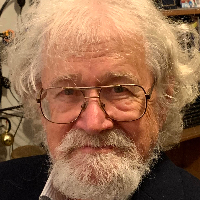
- Experienced LMHC
- Focus on recovery
- Narrative and mindfulness
About Bruce
He uses narrative approaches to help people tell and retell their life stories in ways that open choice and meaning. Dream work and attention to inner contradictions are part of his practice, drawn from his background in Gestalt methods. He also uses mindfulness-based techniques to reduce stress and Focusing practices to help people sort through uncertain or confusing feelings.
Barrett has worked in both inpatient and outpatient addiction settings and formerly held a Certified Alcoholism Counselor role in Massachusetts. He draws on long personal recovery experience and years working with substance use concerns when supporting people with drug and alcohol problems. His work also addresses family-of-origin issues, guilt and shame, forgiveness, and issues around aging and hospice care.
He has a particular interest in supporting people on the autism spectrum and brings personal and professional experience to that work. He is attentive to immigration-related stress, dissociation, hoarding, and trauma tied to disasters or domestic violence.
Many clients come to him with questions about life purpose, veteran and armed forces issues, or coping after major change. He encourages practical steps, thoughtful reflection, and tools people can use between sessions to manage difficult moments and build toward their goals.
Areas of expertise
Also works with
Additional focus areas
Therapeutic approaches
Experience
40+ years
Credentials
Massachusetts
Languages
English, German
How narrative and mindfulness work online
Bruce Barrett uses Narrative Therapy to help people reframe the stories they tell about themselves, which can lessen the hold of painful patterns and open new choices. This approach is useful for depression, relationship troubles, life-purpose questions, and recovery work.He also draws on Mindfulness Therapy to teach simple stress-reduction practices and present-moment attention. Mindfulness tools can help with anxiety, anger, trauma symptoms, and staying steady during life transitions.
Finding the right approach is part of the work. Barrett treats the choice of method as a collaboration and will test what fits a person's needs and preferences. Together they decide whether to emphasize narrative work, mindfulness practice, trauma-focused methods, or a combination.
Session formats are not specified in the biography, so confirm current session options before booking. Online therapy can make sessions easier to fit into a busy day, allow shorter check-ins when needed, and avoid travel time. It can also let people use mindfulness exercises between meetings and bring life events into discussion more quickly, helping therapy connect directly with daily routines and goals.
Frequently asked questions
What concerns does Bruce Barrett help with?
He supports people facing stress, anxiety, addictions, trauma and abuse, low self-esteem, depression, grief, anger, career questions, ADHD, and coping with life changes.
What is his therapy style like?
Sessions tend to be conversational and exploratory, using storytelling, mindfulness, and attention to dreams and inner contradictions to help people make sense of their experience.
What experience does he bring?
He has worked in counseling roles for about 40 years, including time in inpatient and outpatient addiction settings and years as an associate psychologist before licensure.
What are his credentials and where is he based?
He holds an MA and is a Licensed Mental Health Counselor (LMHC) practicing in Massachusetts.
Which languages are offered for sessions?
Sessions are offered in English and German.
Does he work with international clients?
International clients are not currently accepted.
How does payment work and what does it cost?
Cost varies with location and therapist availability; sessions use a subscription that can be canceled at any time.
How do I start a session?
Use the Start Therapy button, complete a short matching questionnaire, and schedule according to the therapist's availability.