- Goal focused
- Recovery informed
- Client centered
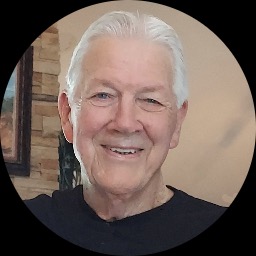
About Burton
He uses a collaborative style. Sessions focus on identifying strengths and realistic changes a person can make. Burt encourages active participation in setting goals and timing progress so work in therapy fits a client’s life and priorities.
Burt draws on client-centered principles to build an open, nonjudgmental space for talking about feelings and behavior. He also uses cognitive behavioral techniques to spot unhelpful thinking patterns and test new ways of coping. His approach includes existential perspectives that look at meaning, purpose, and personal values when facing major life questions.
Over his career he has worked extensively with people affected by alcohol and drug problems and has contributed to recovery-focused films and writing. He has served as guest faculty on alcohol studies topics and assisted community efforts to expand treatment resources. Those experiences inform his practical, recovery-oriented work.
Burt is licensed as an LCSW in California and Utah and practices from Utah. Sessions are conducted in English. People interested in starting are invited to use the Start Therapy process to match and schedule according to availability.
Areas of expertise
Also works with
Additional focus areas
Therapeutic approaches
Experience
50+ years
Credentials
Utah, California
Languages
English
How therapeutic approaches guide online work
Client-centered therapy focuses on listening and building a trusting relationship. The therapist follows the person’s concerns, reflects what is said, and helps people name their goals and strengths. Cognitive Behavioral Therapy, or CBT, helps people notice unhelpful thoughts and try new behaviors to reduce anxiety and depression. It is useful for stress, mood problems, and addictive patterns. Existential therapy looks at meaning, choices, and values when facing loss or big life changes and can help people clarify what matters most.Finding the right approach is part of the work. Burt collaborates with each person to choose methods that match their needs, goals, and preferences. That means trying an approach, checking how it feels, and adjusting the plan together over time.
The profile does not list specific online formats, so confirm current session options before booking. In general, online sessions can make fitting therapy into a busy life easier - they can reduce travel time, allow for quicker check-ins during a lunch break, and make it simpler to schedule around caregiving or work. Ask about available formats when you complete the matching questionnaire so sessions match your daily routine and technical needs.
Frequently asked questions
What concerns does Burt commonly help with?
He works with people facing stress, anxiety, depression, relationship and intimacy concerns, grief, trauma, anger, and addictions including process addictions.
What style of therapy should I expect?
Therapy is collaborative and goal oriented. Burt uses client-centered methods, cognitive behavioral techniques, and existential ideas in ways that fit each person.
How long has he been practicing?
He brings fifty years of professional experience supporting people through recovery, life transitions, and emotional struggles.
What credentials and location information are available?
He holds an LCSW and practices from Utah; his licenses include CA LCSW and UT LCSW.
Are sessions available in other languages or internationally?
Sessions are offered in English. He is not currently accepting international clients.
What session formats are offered?
The original profile does not list specific session formats; please confirm current session options before booking.
How is cost handled for sessions?
Cost varies with location and therapist availability; sessions use a subscription that can be canceled at any time.
How do I begin working with Burt?
Select the Start Therapy button, complete the short matching questionnaire, and schedule based on the therapist's availability.