- Action focused
- Values based
- Strength oriented
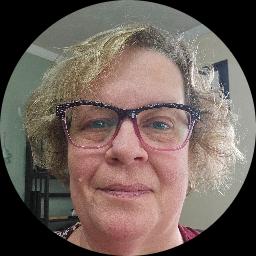
About Cammy
Cammy uses approaches that emphasize action and clarity. She draws on Acceptance and Commitment Therapy and Cognitive Behavioral Therapy to help people notice unhelpful patterns and practice different ways of responding. Motivational Interviewing is used to uncover personal values and build motivation for change. Trauma-Focused Therapy guides work with painful memories and reactions when needed.
Across sessions she aims to center each person’s strengths and goals. Conversations focus on what is most important to the client and on small, manageable steps toward those goals. Cammy tends to use clear, straightforward language and concrete exercises rather than abstract theory.
Her background includes over 11 years in clinical work and practice in New York as an LCSW, helping people who have been affected by service-related concerns and civilian life stressors. She also works with communication problems, post-traumatic stress, veteran and armed forces issues, and seasonal affective disorder.
People who want practical tools, steady encouragement, and a collaborative plan often find this style helpful. To begin, clients complete a brief intake and then shape a plan that fits their daily routines and priorities.
Areas of expertise
Primary focus
Additional focus areas
Therapeutic approaches
Experience
11+ years
Credentials
New York
Languages
English
How Cammy’s approaches fit into online therapy
Acceptance and Commitment Therapy helps people name what matters most and take small actions that align with those values. It often focuses on noticing thoughts without being pushed around by them and building a life that matters despite difficult feelings. Cognitive Behavioral Therapy looks at the links between thoughts, actions, and feelings, and teaches specific skills for shifting unhelpful thinking and behavior. This approach can be useful for anxiety, sleep problems, and low mood.Finding the best approach is part of the work. The therapist will work with each person to pick methods that match their goals, needs, and day-to-day life. That collaborative process may combine techniques from different approaches and adjust as progress is made.
Session formats are not specified here, so confirm current options before booking. Online therapy can make attending sessions easier to fit into busy schedules, reduce travel time, and allow for more flexible appointment times. It can also make shorter check-ins or regular skill practice simpler to schedule. Licensed professionals can use these approaches in remote sessions to help people build practical skills and stay connected to their goals.
Frequently asked questions
What kinds of concerns does Cammy help with?
She works with stress, anxiety, trauma and abuse, sleep problems, and depression, and also focuses on communication problems and seasonal affective disorder.
What is Cammy's general therapy style?
Her style is straightforward and collaborative, using practical exercises and clear language to help people take small steps toward change.
How much experience does she have?
Cammy has 11 years of professional clinical experience supporting people with a range of concerns.
What credentials and location are listed?
She is an LCSW licensed in New York and practices in that state.
Which languages are sessions offered in?
Sessions are offered in English.
Can people outside the US work with her?
International clients are not currently accepted.
How are sessions priced?
Cost varies with location and therapist availability; sessions use a subscription that can be canceled at any time.
What is the first step to begin therapy?
Select the Start Therapy button, complete a short matching questionnaire, and then schedule according to therapist availability.