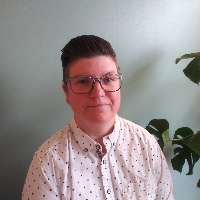
- Warm and straightforward
- Focus on coping skills
- Trauma-informed approach
About Carissa
She often uses client-centered techniques to build trust and guide each conversation. Cognitive Behavioral Therapy ideas help when patterns of thought and behavior get in the way. She also draws on psychodynamic perspectives to look at long-standing patterns that affect current life.
Carissa has nine years of experience in social work settings. That background includes supporting people facing depression, anxiety, grief, and the fallout from trauma or emotional abuse. She also works with concerns such as bipolar disorder, addictions, self-harm, eating issues, and compassion fatigue.
Her additional focus areas include blended family issues, divorce and separation, first responder issues, veteran and armed forces issues, polyamory and non-monogamous relationships, and young adult concerns. She adapts pace and goals to each person and adjusts the plan as needs change.
Carissa encourages practical steps and honest conversation. She helps clients set short-term goals, test small changes, and track what makes life feel better. If someone is ready to take a step toward change, she offers steady support while they work toward their goals.
Areas of expertise
Primary focus
Also works with
Additional focus areas
Therapeutic approaches
Experience
9+ years
Credentials
Washington
Languages
English
How therapeutic approaches guide online work
Client-Centered Therapy focuses on building a respectful, nonjudgmental relationship and following the client's lead. It helps people who need someone to listen, reflect, and help them clarify goals. Cognitive Behavioral Therapy (CBT) looks at thinking and behavior patterns and uses practical strategies to change unhelpful habits, which can help with anxiety, depression, and stress. Motivational Interviewing is a short-term, goal-focused approach that helps people find their own reasons for change and build motivation for steps like reducing substance use or making lifestyle shifts.Finding the right approach is part of the work. The therapist will talk with each person about what they want and try methods that fit their goals and preferences. That collaborative process means plans can change as a client learns what helps most.
Confirm the available online session options before booking since formats are not specified in the biography. Online sessions can make it easier to fit therapy into a busy life, reduce travel time, and allow for quicker check-ins during breaks or between obligations. Different approaches also lend themselves to different online tasks - for example CBT often uses worksheets or short skills practice, while client-centered work emphasizes open conversation and exploration.
Frequently asked questions
What concerns does this therapist address?
This therapist helps people with stress, anxiety, depression, grief, trauma and abuse, and related concerns like addictions, anger, and self-esteem.
How would you describe the therapy style?
The approach is direct yet warm and strengths-based, with an emphasis on practical coping skills and honest conversation.
What kind of experience does the therapist have?
She has nine years of experience as a clinical social worker working with a wide range of mental health and life concerns.
What credentials and location are listed?
She holds a Washington LICSW and practices in Washington state.
Which languages are supported and can international clients book?
Sessions are offered in English and international clients are not currently accepted.
What session formats are offered?
Please confirm current session options before booking, as the therapist's biography does not specify formats.
How is cost handled for sessions?
Cost varies with location and therapist availability; sessions use a subscription that can be canceled at any time.
How do I begin working with this clinician?
Click the Start Therapy button, complete a short matching questionnaire, and schedule according to the therapist's stated availability.