- Practical coping skills
- Attachment-focused work
- Mindfulness and CBT
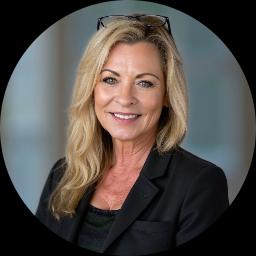
About Caroline
Caroline brings three years of experience as a clinician to her current work. She uses a mix of approaches to match the needs of each person rather than one fixed method. Sessions focus on clear goals, practical steps, and building stronger ways of coping with day-to-day pressures.
Her style is warm and empowering. She prioritizes listening first and then helps people try small, realistic changes. That might mean looking at thinking patterns, exploring attachment and relationship dynamics, or practicing simple mindfulness skills to reduce overwhelm.
Caroline commonly draws from attachment-based ideas to understand relationship patterns and from client-centered methods to keep the work focused on each person's values. She also uses cognitive behavioral tools to spot unhelpful thoughts and emotionally-focused techniques to improve connection and communication.
People who choose her work with someone who keeps goals concrete and sessions practical. The focus is on what helps in daily life - managing strong emotions, improving relationships, parenting with more confidence, or navigating major life changes.
Areas of expertise
Primary focus
Also works with
Additional focus areas
Therapeutic approaches
Experience
3+ years
Credentials
Florida
Languages
English
Approaches that guide online work and choices
Attachment-based work looks at how early bonds shape how people relate today. It helps when relationship patterns cause repeated conflict or distance. Client-centered therapy focuses on a respectful, nonjudgmental stance where the person sets the pace and priorities. It helps when someone needs time to clarify values and make choices. Cognitive behavioral therapy (CBT) targets thinking and behavior patterns by identifying unhelpful thoughts and testing small changes; it can be useful for anxiety, depression, and day-to-day stress.Finding the right approach is part of the process. The therapist will work collaboratively to match methods to each person’s needs, goals, and preferences. That may mean trying an idea for a few sessions and adjusting based on what helps.
Confirm session options before booking since formats are not specified in the biography. Online therapy can make it easier to fit sessions into a busy life, reduce time spent traveling, and allow check-ins during a lunch break or between responsibilities. It can also let people try skills such as mindfulness or CBT homework in their real routines, then bring questions back to sessions for troubleshooting.
Frequently asked questions
What concerns does Caroline help with?
She helps people with stress, anxiety, relationship problems, trauma and abuse, parenting, self-esteem, grief, career concerns, and ADHD among other issues.
How would you describe her therapeutic style?
Her style is warm and listening-focused. She emphasizes clear goals, small practical steps, and an empowering tone.
What is her clinical background?
Caroline holds an LCSW and brings three years of experience in clinical practice working with a range of concerns and settings.
Where does she practice and what license does she hold?
She practices in Florida and holds the credential LCSW as stated in her profile.
Can I work with her in a language other than English?
Sessions are offered in English.
What session formats are available?
Session formats are not specified in the biography; confirm current session options with the service before booking.
How does payment or cost work?
Cost varies with location and therapist availability; sessions use a subscription that can be canceled at any time.
How do I get started with therapy?
Select the Start Therapy button, complete a short matching questionnaire, and schedule according to therapist availability.