- Compassionate support
- Practical coping skills
- Trauma informed care
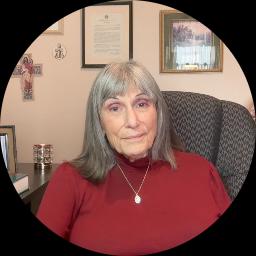
About Catherine
She centers sessions on the person's story and current needs. Catherine uses methods such as Acceptance and Commitment Therapy, Client-Centered Therapy, Cognitive Behavioral Therapy, Dialectical Behavior Therapy, and Emotionally-Focused Therapy. In conversation she helps clients notice patterns, test small changes, and build skills for day-to-day life.
Her background includes long experience supporting veterans, older adults, and people navigating midlife transitions. That history informs how she talks about grief, family of origin issues, and the effects of cumulative stress. She also brings experience with hospice and end-of-life concerns and with people affected by disaster or loss.
Catherine aims to create a calm, respectful space where difficult topics can be named and explored. She works to make plans that fit real life, such as coping strategies for anger, techniques for managing mood swings, or steps toward recovery from substance challenges.
People who prefer straightforward, relational work may find her style helpful. She accepts international clients and works from Missouri as a licensed clinical social worker, LCSW.
Areas of expertise
Also works with
Additional focus areas
Therapeutic approaches
Experience
47+ years
Credentials
Missouri
Languages
English
Approaches that guide online sessions
Acceptance and Commitment Therapy (ACT) helps people notice unhelpful thoughts and choose actions that match their values. It can be useful for anxiety, depression, and coping with life changes. Client-Centered Therapy centers the person's own goals and experience, giving room to be heard and to build trust in the therapeutic relationship. Cognitive Behavioral Therapy (CBT) focuses on identifying thoughts and behaviors that keep problems going and testing small changes to see what helps.Choosing the right approach is part of the work together. The therapist will talk with each person about goals, preferences, and what feels most useful. That makes it easier to pick techniques that match the issue at hand and to adjust the plan as things change.
Practical benefits of online therapy include easier scheduling and fitting sessions into a busy day. Online work can make it simpler to keep appointments when travel or mobility are challenges, and it can let people check in from different locations. Because session formats were not specified in the biography, confirm the therapist's current session options before booking so you know what will be offered.
Frequently asked questions
What kinds of problems does this therapist help with?
She supports people dealing with stress, anxiety, depression, addiction, trauma and grief, as well as family, parenting, intimacy, and compassion fatigue concerns.
What is her therapeutic style like?
The approach is respectful and relational, focusing on the person's story and practical steps. Sessions tend to combine skill building with exploration of emotions.
What is her clinical background?
She has 47 years of clinical experience and a long history working with veterans, older adults, and people in midlife transitions.
Where does she practice and what are her credentials?
She is licensed in Missouri as an LCSW, which stands for Licensed Clinical Social Worker.
Does she offer sessions in other languages or to international clients?
Sessions are offered in English, and she does accept international clients.
Which session formats are available?
Current session formats are not listed here; please confirm the available options before booking so you know how sessions will be held.
How are fees and payment handled?
Cost varies with location and therapist availability, and sessions use a subscription that can be canceled at any time.
How do I begin working with her?
Use the Start Therapy button, complete a short matching questionnaire, and then schedule according to the therapist's availability.