- Holistic focus
- Trauma informed care
- Skill building
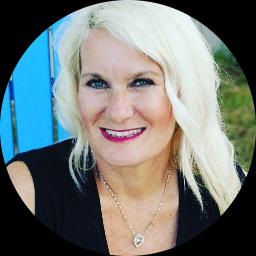
About Connie
With 25 years of experience, Connie combines several therapy approaches to match each person’s needs. She uses methods from cognitive behavioral therapy and dialectical behavior therapy alongside acceptance and commitment ideas to help people notice patterns and try new behaviors. Attachment-based and client-centered ideas guide conversations about relationship wounds and self-worth.
Connie describes her overall stance as holistic - looking at mind, body, soul, and spirit when that fits a client’s goals. She also brings experience with trauma, grief, substance use concerns, and medical life stages such as caregiving and serious illness. Her background includes work across medical and community settings and practice in multiple states.
Her style is gentle but direct; she meets people where they are and respects their beliefs. For those who want faith integrated into care, she can include spiritual perspectives as part of an individualized plan. She emphasizes practical steps and accountability so people can see change when they do the work.
People who choose Connie usually want a therapist who balances compassion with clear tools. She supports exploration of eating and sleeping struggles, intimacy and parenting concerns, ADHD-related coping, and career or life-course changes. Sessions focus on what a person can try next and how to sustain progress.
Areas of expertise
Primary focus
Also works with
Additional focus areas
Therapeutic approaches
Experience
25+ years
Credentials
Florida, Michigan, Colorado
Languages
English
Approaches that translate to online therapy
Acceptance and Commitment Therapy helps people notice unhelpful thoughts and choose actions that match their values. It can be useful for anxiety, depression, and life transitions where new directions are needed.Cognitive Behavioral Therapy focuses on the link between thoughts, feelings, and actions and teaches concrete strategies to change patterns. It is often used for anxiety, depression, and coping with stress.
Dialectical Behavior Therapy brings skills for managing strong emotions and improving interpersonal effectiveness. These skills can help when emotions feel overwhelming or relationship patterns repeat.
Choosing the right approach is part of the work together. The therapist will talk with each person about goals, preferences, and what has or hasn't helped before, then try methods that seem like the best fit. That collaborative process can include trying a few different techniques and adjusting as progress is tracked.
Online therapy can make it easier to fit sessions into a busy life. It can reduce travel time, allow shorter check-ins when needed, and work around work or caregiver hours. If you plan to start, confirm the available session formats before booking so you know what to expect. Licensed professionals can adapt ACT, CBT, and DBT skills to online work in ways that support steady progress without promising specific outcomes.
Frequently asked questions
What kinds of problems does she help with?
She helps people dealing with addiction, trauma and abuse, grief, depression, anxiety, and stress as well as relationship and intimacy-related issues and parenting concerns.
What is her basic therapeutic style?
Her style is client-centered and practical, blending cognitive behavioral techniques, acceptance work, and skills from dialectical behavior therapy to address thoughts, behaviors, and emotion regulation.
How much experience does she have?
Connie has 25 years of clinical experience working in a range of settings and with concerns from hospice and medical issues to trauma and substance use disorders.
Where is she licensed to practice?
She holds licenses as an LCSW and CSW and practices from Colorado while maintaining licensure in other states as noted on her profile.
Which languages are supported for sessions?
Sessions are offered in English, and she is available to work with international clients.
What session formats are offered?
Please confirm current session options before booking, as formats are not specified on the biography and may vary by location and schedule.
How much do sessions cost?
Cost varies with location and therapist availability; sessions use a subscription model that can be canceled at any time.
How do I begin working together?
Select the Start Therapy button, complete a short matching questionnaire, and schedule according to the therapist's availability.