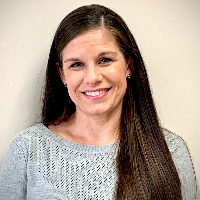
- Goal focused
- Empathic listener
- Practical steps
About Danielle
Her background includes work in substance use counseling and school social work settings, which shaped a flexible, practical style. She favors straightforward conversation and builds therapy around what each person needs. Danielle focuses on clear goals and small steps that people can use between sessions.
Danielle uses approaches such as Cognitive Behavioral Therapy, Client-Centered Therapy, and Solution-Focused techniques, and she shifts methods to match each person's situation. She emphasizes the therapeutic relationship and uses empathy, listening, and sometimes humor to ease difficult conversations. Sessions center on identifying concrete goals and checking progress over time.
People often come to Danielle for stress, relationship struggles, parenting concerns, grief, trauma, ADHD, or career challenges. She also works with issues like codependency, blended family tensions, forgiveness, and coping after disasters. The focus is on helping people notice patterns and try practical changes.
To begin, she will talk through the reasons for seeking help and collaborate on achievable goals. The approach is collaborative and down-to-earth, aimed at steady, manageable progress.
Areas of expertise
Also works with
Additional focus areas
Therapeutic approaches
Experience
17+ years
Credentials
New York
Languages
English
Approaches that translate to online sessions
Client-Centered Therapy focuses on listening and building a respectful, empathetic relationship. It helps people feel understood and supports work on self-esteem, life changes, and relationship concerns.Cognitive Behavioral Therapy (CBT) looks at how thoughts, feelings, and actions connect. It uses practical exercises and small behavior changes to address anxiety, depression, coping skills, and some attention challenges.
Emotionally-Focused Therapy helps people notice and name emotions and how they affect close relationships. It can be useful for repairing connection and improving communication around relationship stress.
Finding the right approach is part of the work together. The therapist will talk with the client about goals, preferences, and what has or hasn’t helped before, then suggest methods to try. This is a collaborative process and the plan can change as progress is made.
Online therapy can make it easier to fit sessions into a busy week, reduce travel time, and allow shorter check-ins when needed. If you want to know which session formats are offered, confirm the current options before booking. The emphasis is on making therapy practical and workable within everyday life.
Frequently asked questions
What concerns can Danielle help with?
She helps people with stress, anxiety, depression, addictions, grief, trauma, parenting and career concerns, plus related issues such as ADHD, codependency, and coping with life changes.
What is her therapy style like?
Her style is collaborative and down-to-earth. She emphasizes the relationship, uses empathy and listening, and works on clear, achievable goals.
What experience does she bring?
She has 17 years of experience working in inpatient and outpatient mental health and substance use settings, and has supported people across different life stages.
What credentials and location are listed?
She is a Licensed Clinical Social Worker (LCSW) licensed in New York and practices in the New York area.
Does she offer sessions in other languages or internationally?
Sessions are offered in English and she does not accept international clients at this time.
What formats are used for sessions?
Confirm current session options before booking to know which formats are offered for appointments.
How is cost handled for sessions?
Cost varies with location and therapist availability; sessions use a subscription that can be canceled at any time.
How do I get started with therapy?
Select the Start Therapy button, complete a short matching questionnaire, and schedule according to the therapist's availability.