- Attachment-focused
- CBT tools
- Speaks Korean
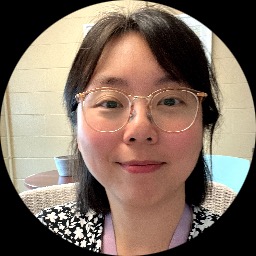
About Dasomi
With five years of professional experience, she uses conversations to connect thoughts, feelings, and actions. Sessions often involve reflecting on habits and trying new ways of responding. She encourages clients to test small changes rather than only talking about problems.
Her work draws on attachment-based ideas to look at how early relationships shape current patterns. She also uses client-centered methods to keep the person's goals in focus. Cognitive Behavioral Therapy tools are used to identify unhelpful thoughts and develop different coping skills.
Dasomi includes techniques from Dialectical Behavior Therapy and mindfulness when they match a person’s needs. She is open to exploring spiritual themes if a client finds that meaningful. That can be part of conversations about purpose, values, or a sense of something beyond what’s immediately visible.
People come to her for a wide range of concerns including grief, parenting strain, sleep problems, anger, ADHD, and coping with life changes. She emphasizes practical steps, steady reflection, and a collaborative approach to help people build the skills they want.
Areas of expertise
Primary focus
Also works with
Additional focus areas
Therapeutic approaches
Experience
5+ years
Credentials
Florida
Languages
English, Korean
How her approaches translate to online therapy
Attachment-Based Therapy focuses on how early relationship patterns show up now; online sessions can be used to notice those patterns in day-to-day life and try new ways of relating. Client-Centered Therapy centers the person's goals and choices; online work keeps the conversation focused on what matters most to the client and adapts to their pace. Cognitive Behavioral Therapy (CBT) breaks down unhelpful thoughts and behaviors into small parts and offers clear exercises to practice between sessions.Finding the right approach is a shared process. The therapist will talk with the person about goals, preferences, and how they respond to different methods. Together they decide which combination of strategies to try and make adjustments as work progresses.
Session formats are not listed in the biography, so confirm current session options before booking. Online sessions can make it easier to fit therapy into a busy schedule, shorten travel time, and allow quick check-ins when needed. They also let people practice new skills in the settings where problems actually arise, which can speed up learning and change.
Frequently asked questions
What kinds of concerns does she help with?
She supports people with stress, anxiety, depression, relationship and family issues, trauma and abuse, anger, addictions, grief, sleep struggles, parenting strain, self-esteem, bipolar concerns, ADHD, and related focuses like abandonment, codependency, and chronic pain.
How would you describe her therapy style?
Her approach is collaborative and practical. She uses talk, reflection, and actionable steps to connect thoughts, feelings, and behaviors and to test new ways of coping.
What is her background and experience?
She is a licensed clinical social worker with five years of professional experience working on a range of mental health and life concerns.
Where is she licensed and based?
She holds the credential LCSW and is licensed in Florida.
Which languages are offered during sessions?
Sessions are offered in English and Korean.
Can international clients be seen?
She does not accept international clients at this time.
How does cost and payment work?
Cost varies by location and therapist availability; sessions use a subscription that can be canceled at any time.
How do I begin working with her?
Use the Start Therapy button, fill out the short matching questionnaire, and schedule a session based on the therapist's availability.