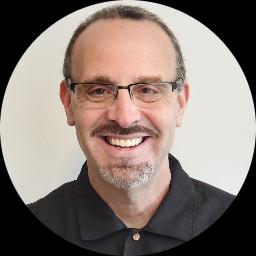
- 29 years experience
- Acceptance and CBT approaches
- Accepts international clients
About David
He uses straightforward, goal-focused conversations to clarify what matters most to each person. Sessions are practical and collaborative. People can expect ideas they can try between meetings and check-ins on what is or isn’t working.
His approach draws on several well-known methods, including cognitive behavioral ideas and acceptance-based strategies. He also brings attachment-based and client-centered perspectives when useful, and uses dialectical behavior ideas for emotion regulation. He explains techniques in everyday language and fits them to each person’s needs.
Dr. Goodman uses assessment tools to track progress and make treatment more precise. He has incorporated telehealth into his work and reports that many clients find it convenient. The clinic uses a subscription model for sessions that can be canceled at any time.
People who choose to begin are asked to complete a short matching questionnaire and then schedule according to availability. This initial step helps match goals and practical details before the first session starts.
Areas of expertise
Primary focus
Also works with
Additional focus areas
Therapeutic approaches
Experience
29+ years
Credentials
Wisconsin
Languages
English
How these approaches translate to online therapy
Acceptance and Commitment Therapy (ACT) focuses on helping people notice difficult thoughts and feelings while committing to actions that match their values. It can be useful for anxiety, depression, and coping with life changes. Cognitive Behavioral Therapy (CBT) helps identify unhelpful thinking patterns and teaches practical skills to change behaviors and mood. It is often used for depression, anxiety, and stress management. Attachment-Based Therapy looks at how early relationships shape current patterns and can help with intimacy-related issues, relationship problems, and attachment difficulties.Choosing the right approach is a collaborative process. The therapist will talk with each person about their goals and preferences and suggest methods that fit those needs. It’s common to try an approach and adjust it as progress is tracked through sessions and assessment tools.
Many people find online sessions easier to fit into busy days because they remove travel time and allow meetings from different locations. Online work can make it simpler to maintain regular check-ins, try brief skill-building between appointments, and use digital assessment tools to track changes. Confirm the therapist’s current session options before booking so practical details match your schedule.
Frequently asked questions
What concerns does this therapist work with?
He supports people dealing with stress, anxiety, depression, bipolar disorder, addictions, parenting and relationship issues, trauma and grief, self-esteem, career concerns, ADHD, and many related problems.
How would therapy feel in sessions?
Sessions are practical and collaborative, with clear goals and techniques explained in everyday language. People can expect strategies to try between appointments and follow-up on progress.
What is Dr. Goodman’s background?
He has 29 years of experience as a practicing psychologist and uses assessment tools to track client progress over time.
What credential does he hold and where is he based?
He is licensed as WI Psychologist 2581-57 and is based in Wisconsin.
Are sessions offered in other languages or to international clients?
Sessions are offered in English, and he accepts international clients.
What session formats are available?
The biography notes use of telehealth since 2020, but current session format options should be confirmed before booking.
How are fees and billing handled?
Cost varies with location and therapist availability; sessions use a subscription that can be canceled at any time.
What do I do to start therapy?
Select the Start Therapy button, complete a short matching questionnaire, and schedule according to the therapist’s availability.