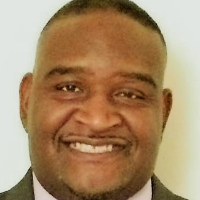
- Warm listening
- Practical tools
- Goal focused
About David
David takes a straightforward, person-centered approach in sessions. He listens first, then helps set clear, achievable goals. Sessions are paced to fit each person's needs, and he uses practical tools to address thinking patterns and daily habits that get in the way of feeling better.
He blends Client-Centered Therapy with Cognitive Behavioral Therapy and uses mindfulness and motivational interviewing techniques when helpful. That means he focuses on what matters to the client, looks at thoughts and behaviors that contribute to problems, and practices simple awareness exercises to reduce reactivity.
David earned a Master of Social Work from Stony Brook University and holds a Georgia Licensed Clinical Social Worker credential, LCSW, along with CSW. He brings ten years of experience working in a range of settings, including work with veterans and older adults.
In sessions he emphasizes respectful, down-to-earth conversation. He helps people break concerns into manageable steps, practice new responses, and measure progress over time. People who want practical guidance with real-life problems often find this style useful.
Areas of expertise
Primary focus
Also works with
Additional focus areas
Therapeutic approaches
Experience
10+ years
Credentials
Georgia
Languages
English
How his approaches translate to online work
Client-Centered Therapy focuses on listening, acceptance, and partnering with the client to set goals. Online sessions can mirror that by using conversation to identify priorities and pace work to the person's readiness.Cognitive Behavioral Therapy looks at how thoughts and behaviors affect mood and functioning. In remote sessions this often means practicing exercises together, reviewing thought records, and planning small experiments to try between meetings.
Finding the right approach is part of the work. The therapist will collaborate with each person to choose methods that fit their needs, goals, and preferences rather than prescribing one fixed method. Clients and therapist check in and adjust the plan as progress is made.
Confirm current session options before booking so you know what formats are offered. Online therapy can make it easier to fit appointments into a busy week, allow shorter check-ins when needed, and remove travel time. It also supports continuity of care for people who move or have irregular schedules.
Frequently asked questions
What kinds of problems does he help with?
He works with stress, anxiety, depression, grief, anger, low self-esteem, addictions, relationship and intimacy issues, trauma and related concerns. He also focuses on caregiving stress, aging issues, cancer support, and veteran and armed forces issues.
What is his therapy style like?
He uses a person-centered style that emphasizes listening and respect. Sessions focus on practical steps and may include techniques to change unhelpful thoughts and build coping skills.
How much clinical experience does he have?
He has ten years of experience providing therapy in a variety of settings. His background includes work with veterans and older adults among other populations.
What credentials and location are listed?
He holds LCSW and CSW credentials and practices in Georgia.
Which languages are supported for sessions?
Sessions are offered in English only.
Can people outside the U.S. work with him?
He is not accepting international clients at this time.
How are sessions scheduled and how much do they cost?
Cost varies with location and uses a subscription model that can be canceled at any time. Exact pricing depends on the therapist and region.
What do I do to begin therapy?
Select the Start Therapy button, complete a short matching questionnaire, and schedule sessions according to the therapist's availability.