- Practical coping skills
- Trauma-informed care
- Goal-focused sessions
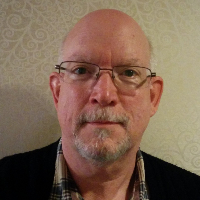
About David
He often sees the ripple effects of trauma and talks with individuals about how their experiences affect daily life. He also helps loved ones understand those dynamics so everyone involved can respond more clearly. When substance misuse has become a way to cope, he addresses that pattern alongside the underlying thoughts and feelings.
His work uses straightforward, problem-focused methods. He draws on cognitive behavioral approaches to change unhelpful thinking and behavior. He also uses elements from solution-focused work to set clear, short-term goals that feel doable.
Dr. Wilcox believes people are shaped by biological, psychological, social, and spiritual factors. Therapy looks at the mix of those areas and focuses on what matters most right now. Sessions tend to be practical and oriented toward small, steady changes.
People choose him when they want an experienced clinician who keeps conversations direct and goal-oriented. He aims to help individuals build coping skills, improve communication, and reduce day-to-day distress.
Areas of expertise
Primary focus
Additional focus areas
Therapeutic approaches
Experience
34+ years
Credentials
Florida
Languages
English
How therapeutic approaches translate to online care
CBT, or cognitive behavioral therapy, focuses on identifying unhelpful thoughts and changing behaviors that keep problems going. It is often used for anxiety, depression, stress, and coping with intrusive thoughts.Dialectical behavior therapy, or DBT, teaches concrete skills for managing intense emotions, improving interpersonal effectiveness, and reducing impulsive actions. It can help when emotional regulation and relationship patterns cause repeated problems.
Finding the right approach is part of the work. The therapist will collaborate with each person to pick methods that match their goals and preferences. That collaboration can include trying an approach and adjusting it based on what helps most.
If you are considering online options, confirm the specific session formats before booking since current formats are not listed here. Online sessions can make it easier to fit therapy into a busy day, shorten travel time, and allow for quick check-ins between in-person appointments. Licensed professionals can adapt CBT and DBT skills to remote sessions so people can practice tools during everyday life and bring questions back to therapy.
Frequently asked questions
What concerns does he help with?
He works with stress, anxiety, depression, relationship issues, trauma and abuse, and parenting concerns. Additional focus areas include substance misuse, communication problems, caregiver stress, and end-of-life matters.
What is his therapeutic style like?
His style is direct and practical, using goal-focused work and skills practice. Sessions often combine thinking-and-behavior strategies with short-term problem solving.
How much experience does he have?
He has been practicing professional counseling since 1991, bringing about 34 years of clinical experience to his work.
What credentials and location apply?
He is a licensed mental health counselor - FL LMHC - and practices in Florida.
Which languages are supported?
Sessions are offered in English.
Can people outside the United States work with him?
He is not accepting international clients at this time.
How are fees and billing handled?
Cost varies with location and therapist availability; sessions use a subscription model that can be canceled at any time.
How do I begin working with him?
Start by selecting the Start Therapy button, complete a short matching questionnaire, and schedule according to therapist availability.