- Men and young adults
- Trauma-informed care
- Career coaching
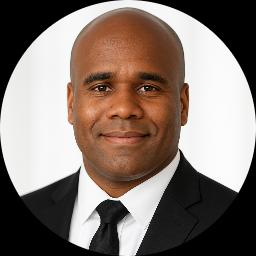
About Demetrius
He uses plain conversation to uncover what matters most to each person. Sessions focus on building skills for handling stress, anxiety, grief, anger, and low self-esteem. He also offers coaching-style support for career questions and goal planning.
Walton draws on trauma-informed ideas to guide recovery after painful experiences. He has experience supporting military veterans and first responders, and he attends to multicultural concerns that shape people’s stories. This background informs how he approaches grief, abandonment, and caregiver stress.
His clinical toolkit includes approaches such as Acceptance and Commitment Therapy, attachment-based work, client-centered methods, cognitive behavioral techniques, and emotionally-focused therapy. These methods are used to help people reconnect with values, rework relationship patterns, and manage overwhelming feelings.
Walton has nine years of clinical experience and practices in Texas as an LMFT. To begin, prospective clients use the site’s Start Therapy button to complete a brief matching questionnaire and then schedule sessions based on therapist availability.
He communicates in English and does not take international clients. session costs vary by location and use a cancelable subscription model.
Areas of expertise
Primary focus
Also works with
Additional focus areas
Therapeutic approaches
Experience
9+ years
Credentials
Texas
Languages
English
Therapeutic approaches and online care
Acceptance and Commitment Therapy (ACT) helps clients identify what matters most and take small steps toward those values. It can be useful for stress, anxiety, and making decisions during life transitions.Attachment-Based Therapy focuses on how early relationships shape current patterns. It is often used to improve intimacy-related issues and to rework trust and connection problems.
Finding the right approach is part of the work together. The therapist will talk with the client about goals and preferences and then suggest which methods to try. That decision is collaborative and may change as progress is made.
Confirm current online session options before booking, since formats are not listed in the biography. In general, online therapy can make it easier to fit sessions into a busy schedule, remove travel time, and allow shorter check-ins when needed. It can also let people work from a quieter setting, choose audio-only when bandwidth is limited, or schedule sessions during a break from work. Ask about the specific session formats offered when you complete the matching questionnaire to match logistics to your needs.
Frequently asked questions
What kinds of concerns does he address?
He helps people with relationship struggles, self-esteem, career questions, coping with life changes, stress, anxiety, grief, trauma and related issues such as anger and depression.
What is his therapeutic style like?
His style is practical and conversational, focusing on skills and values. Sessions often mix talk, coping strategies, and goal-oriented coaching.
What experience does he have?
He has nine years of clinical experience and has supported military veterans and first responders, as well as people facing multicultural concerns.
Where is the therapist located and what are his credentials?
He practices in Texas and is a licensed marriage and family therapist, listed as LMFT in the biography.
Which languages are offered in sessions?
Sessions are offered in English.
Can people from other countries work with him?
He does not accept international clients at this time.
How does payment and cost work?
Session costs vary by location and therapist availability; services use a subscription that can be canceled at any time.
How do I begin therapy with him?
Start by selecting the Start Therapy button, fill out a short matching questionnaire, and then schedule sessions according to therapist availability.