- Calm supportive approach
- Practical coping tools
- Trauma aware care
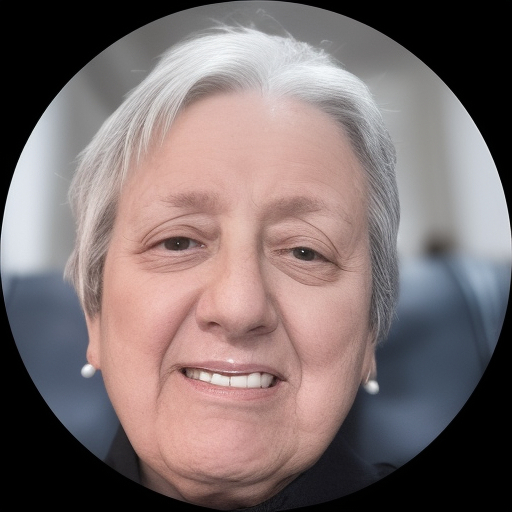
About Devona
She meets people where they are and works alongside them to sort through painful experiences. Sessions are geared toward practical steps - naming hard feelings, learning coping tools, and testing new ways of handling stress. Dee also supports people recovering from abusive narcissistic relationships and those struggling with emptiness or guilt.
Her background spans three decades in clinical practice across many concerns, including caregiver stress, chronic illness and pain, communication problems, codependency, and first responder issues. She draws on client-centered methods to keep the person's experience central, and she uses techniques from cognitive behavioral therapy and mindfulness when those fit the work.
Dee describes therapy as a collaborative process where the person sets goals and the therapist offers structure and tools. She aims to create an open, nonjudgmental space so thoughts and feelings can be shared directly. The focus is on small, achievable changes that add up over time.
People who choose Dee often want steady support while working through intense feelings and life events. Her long experience means she has seen many different paths to healing, and she helps each person find approaches that make sense for their life.
Areas of expertise
Additional focus areas
Therapeutic approaches
Experience
30+ years
Credentials
Indiana
Languages
English
How therapeutic approaches shape online work
Client-centered therapy focuses on the person's experience and aims to make the client feel heard and respected. The therapist follows the person's pace, reflects what they say, and helps them clarify their own goals and values.Cognitive behavioral therapy, or CBT, breaks problems into thoughts, feelings, and behaviors. It uses practical exercises and small experiments to change unhelpful thinking and build new habits, which can help with anxiety, depression, and stress-related problems.
Finding the right approach is part of the work together. The therapist will talk with the person about their goals, try methods that fit, and adjust the plan based on what helps. That collaborative process lets the person try different tools and pick what feels most useful.
Confirm the available session options before booking, since formats are not specified here. Online sessions can make it easier to fit therapy into a busy week, reduce travel time, and allow shorter check-ins when needed. They also let people use techniques like guided mindfulness or CBT homework between meetings, which supports steady progress without promising any particular outcome.
Frequently asked questions
What kinds of concerns does she help with?
She works with stress, anxiety, trauma and abuse, grief, self esteem, and depression, plus related issues like codependency, caregiver stress, chronic illness and pain, and first responder issues.
What is her general therapy style?
Her style is collaborative and client-centered. She aims for an open, nonjudgmental space and uses practical tools tailored to each person's goals.
How much clinical experience does she have?
Dee has 30 years of clinical experience working with a wide range of emotional and life challenges.
What are her credentials and where is she based?
She is a Licensed Mental Health Counselor, LMHC, licensed in Indiana and practices from that state.
Which languages are supported for sessions?
Sessions are offered in English.
Can people outside the United States work with her?
She is not accepting international clients at this time.
How are fees and payments handled?
Costs vary with location and therapist availability; sessions use a subscription that can be canceled at any time.
What steps do I take to begin working with her?
Use the Start Therapy button, complete the short matching questionnaire, and then schedule sessions according to the therapist's availability.