- Trauma-informed care
- Addiction support
- Practical skill building
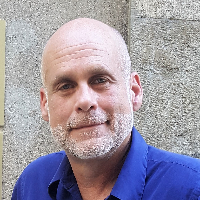
About Dion
He draws on a background that began in school psychology in 1994 and evolved into counseling practice. That path includes work as a civilian contractor with a Department of Defense program, where he focused on challenges tied to military service and transition back to civilian life. This experience informs his approach to trauma and addiction care without standing in for any single method.
In sessions he treats each person as an individual. He uses a trauma-aware cognitive-behavioral framework and blends client-centered strategies, mindfulness work, experiential methods, and EMDR when appropriate. The goal is to match interventions to what a person needs and wants to accomplish at that time.
Dion also offers assessment and referral services to connect people with additional supports when needed. He aims to make the first steps less intimidating by clarifying options and next steps. Practical problem solving and skill building are common parts of his work.
He practices in Texas and conducts therapy in English. People who are navigating service and civilian life transitions may find his background especially relevant when discussing career or life change challenges.
Areas of expertise
Primary focus
Also works with
Additional focus areas
Therapeutic approaches
Experience
10+ years
Credentials
Texas
Languages
English
How these approaches translate to online work
Client-Centered Therapy focuses on listening and reflecting what matters to the person. Online sessions using this approach often involve open conversation, goal setting, and checking practical steps between meetings. Cognitive Behavioral Therapy, or CBT, looks at thoughts and behaviors that keep problems going and teaches concrete skills to change them; online CBT can include structured exercises and homework to practice in daily life. Eye Movement Desensitization and Reprocessing, EMDR, is used for processing painful memories and often combines guided attention with talk-based preparation and follow-up.Choosing the right approach is a collaborative process. The therapist will talk with the person about their goals, history, and what feels workable. Together they’ll try strategies and adjust the plan based on progress and preferences rather than committing to a single method up front.
Practical benefits of online therapy include easier fit with busy schedules and fewer travel needs. Online work can make it simpler to keep regular appointments during a workday or when caring for others. Because session formats are not specified here, confirm which formats are available before booking so you know how sessions are delivered and what to expect.
Frequently asked questions
What concerns does Dion commonly address?
He works with stress, anxiety, depression, trauma and abuse, addictions, sleep problems, grief, relationship and intimacy issues, parenting strain, ADHD, and related concerns.
What is his general therapeutic style?
He blends client-centered listening with practical techniques. Sessions often focus on problem solving, skills practice, and exploring what fits a person’s goals.
How much experience does he have?
He has ten years of counseling experience and began his career in school psychology in 1994, later moving into licensed professional counseling.
What credentials and location are listed?
He is a Licensed Professional Counselor, LPC, practicing in Texas.
Which languages are supported and can international clients join?
Sessions are offered in English, and he does not accept international clients at this time.
What session formats are offered?
Current session formats are not specified here; please confirm available formats before booking to ensure they match your needs.
How does cost and billing work?
Cost varies with location and therapist availability; sessions use a subscription that can be canceled at any time.
How do I begin working with him?
Use the Start Therapy button, complete a short matching questionnaire, and schedule according to the therapist’s availability.