- Trauma and PTSD focus
- Practical skills approach
- Works with veterans
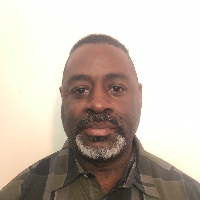
About Dwayne
He commonly helps with post-traumatic stress, trauma and abuse, anxiety, depression, panic, and bipolar-related struggles. He also addresses relationship strain, intimacy-related concerns, fatherhood issues, communication problems, and challenges tied to money or career stress. Veterans and armed forces issues are among the areas he has supported over the years.
Dwayne favors active, collaborative sessions. He uses Cognitive Behavioral Therapy to identify unhelpful thinking and develop new patterns. He also uses Trauma-Focused methods and Cognitive Processing Therapy when trauma and PTSD are the central issues. Motivational Interviewing and Solution-Focused techniques help clients set realistic goals and build small, useful changes.
Sessions are described as warm, supportive, and interactive. People can expect a direct but encouraging approach that focuses on skills and practical steps. He frames therapy as a partnership aimed at helping clients regain control of areas of life they want to change.
He works in Texas and conducts therapy in English. Prospective clients are encouraged to follow the site’s start process to match and schedule sessions according to therapist availability.
Areas of expertise
Primary focus
Also works with
Additional focus areas
Therapeutic approaches
Experience
6+ years
Credentials
Texas
Languages
English
How therapeutic approaches shape online work
Trauma-Focused Therapy centers on processing traumatic memories in ways that reduce their hold on daily life; it often involves careful review of what happened and new ways to understand those events. Cognitive Behavioral Therapy (CBT) helps people spot unhelpful thoughts and try different behaviors to improve mood and reduce anxiety and panic.Choosing the right approach is part of the first steps in therapy. The therapist will work collaboratively to identify goals, try methods that match those goals, and adjust the plan based on what helps. That means approaches can be mixed or shifted over time to fit what the client needs and prefers.
Because this profile does not list specific session formats, confirm the available online options before booking. Online work can make it easier to fit sessions into a busy life, shorten travel time, and allow for more flexible scheduling around work or family commitments. Some formats can be better for quick check-ins while others are better for longer, more focused trauma work, so discuss practical needs and preferences when you schedule.
Frequently asked questions
What kinds of problems does he address?
He helps people with trauma and PTSD, anxiety, depression, panic, and bipolar-related concerns. He also supports work on intimacy, anger, self-esteem, and life stress such as financial or family problems.
What style of therapy should I expect?
Expect an active, supportive, and interactive style. Sessions focus on practical steps, skill building, and goal-focused work rather than long open-ended talk.
How long has he practiced clinically?
He has six years as a licensed professional counselor and over 15 years of experience as a Christian lay counselor in the Dallas area.
Where does he provide services?
He practices in Texas and holds the LPC credential. Session details and scheduling are arranged through the site match and booking process.
Can I work with him if I live outside the U.S.?
Sessions are offered in English and he is not accepting international clients at this time.
What session formats are available?
Please confirm current session options before booking since the biography does not list specific formats. The site match will show available ways to meet.
How does payment and cost work?
Cost varies with location and therapist availability; sessions use a subscription model that can be canceled at any time.
How do I begin working with him?
Use the Start Therapy button, complete a short matching questionnaire, and schedule according to the therapist’s availability shown after matching.