- 20 years experience
- Focus on relationships
- Multicultural focus
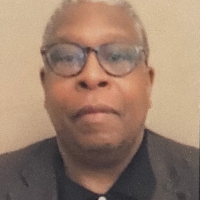
About Edwin
Edwin uses a straightforward, respectful style. He focuses on unconditional positive regard and adapts sessions to each person’s strengths and goals. That can mean steps for managing anxiety, approaches to improve communication, or techniques to rebuild trust after infidelity.
His background includes long experience with multicultural clients, blended families, and military-connected concerns. He also lists focus areas such as first responder issues, veteran and armed forces issues, and challenges faced by LGBTQ and polyamorous individuals. His practice in Nevada draws on 20 years of clinical work and an emphasis on dignity and respect.
Session work may include cognitive-behavioral tools, emotionally-focused strategies, mindfulness practices, motivational interviewing, and hypnotherapy when appropriate. Edwin encourages people to talk openly about progress and setbacks so their pace of change feels manageable and real.
He asks clients to be active participants in their care, bringing questions and reflections to sessions. The aim is practical change and personal growth, guided by a therapist who treats each person with courtesy and attention.
Areas of expertise
Primary focus
Also works with
Additional focus areas
Therapeutic approaches
Experience
20+ years
Credentials
Nevada
Languages
English
How Edwin’s Approaches Translate to Online Work
Client-centered work puts the person’s priorities first and creates space for them to lead the conversation; this helps when sorting out goals like reducing anxiety or improving relationships. Cognitive-behavioral therapy focuses on changing unhelpful thoughts and behaviors through clear exercises and homework tasks, which can be practical for managing stress, sleep, or mood issues in daily life. Emotionally-focused techniques help people name and shift patterns in close relationships, which can be useful for intimacy problems, jealousy, and infidelity recovery.Finding the right mix of methods is part of the early process. The therapist collaborates with each person to decide which approaches fit their needs, goals, and preferences. Sessions can be adjusted over time as progress and challenges become clearer.
Confirm the current session options before booking, since formats are not specified here. Online therapy can make it easier to fit sessions into a busy schedule, reduce travel time, and allow homework or mindfulness practices to connect directly with daily routines. It also allows shorter check-ins when needed and can let someone avoid being on camera if they prefer audio-only work. Licensed professionals aim to match the approach and logistics to what works for the client.
Frequently asked questions
What kinds of concerns does he help with?
He works with a wide range of issues including stress, anxiety, depression, grief, addictions, relationship and intimacy concerns, parenting strain, ADHD, bipolar mood concerns, and career or life-change challenges.
What is his therapy style like?
He emphasizes unconditional positive regard and a client-centered approach. Sessions focus on practical steps and on tailoring methods to each person’s strengths and goals.
How much experience does he have?
He brings 20 years of clinical experience as a mental health professional working with diverse populations and a variety of presenting concerns.
Which credentials and region apply to his practice?
He holds LCPC and LMHC credentials and practices in Nevada. The profile lists NV LCPC and WA LMHC as credential details.
Are sessions available in other languages?
Sessions are offered in English.
Can people outside the country work with him?
He is not currently accepting international clients.
How does payment and cost work?
Cost varies with location and therapist availability; sessions use a subscription model that can be canceled at any time.
What are the steps to begin working together?
Use the Start Therapy button, complete a short matching questionnaire, and then schedule according to the therapist’s availability.