- Skill-based tools
- Person-centered care
- Longstanding experience
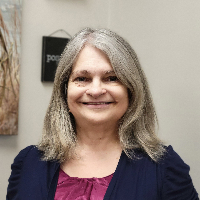
About Elizabeth
She approaches counseling in a warm, nonjudgmental way. Sessions focus on teaching life skills and coping strategies that fit a person’s routine. Clients often work on clearer communication, emotion regulation, and steps to reduce anxiety and overwhelm.
Elizabeth uses several well-established approaches to guide the work. Cognitive Behavioral Therapy helps people notice and change unhelpful thinking and behavior patterns. Dialectical Behavior Therapy offers concrete tools for managing intense emotions and improving relationships. Motivational Interviewing supports people who feel stuck or uncertain about change.
Her style centers on listening first and then offering practical tools. She speaks plainly and shows respect for how each person learns and grows. The goal is to leave sessions with new tools for handling life’s problems.
Elizabeth has worked in counseling for many years and has experience with trauma, domestic violence, caregiver stress, first responder issues, blended family concerns, and major life transitions. She also supports teachers, nurses, and people coping with cancer or chronic caregiving demands. Her approach combines skill teaching with compassionate, person-focused care.
Areas of expertise
Primary focus
Also works with
Additional focus areas
Therapeutic approaches
Experience
38+ years
Credentials
Illinois
Languages
English
How therapeutic approaches shape online sessions
Elizabeth often uses Cognitive Behavioral Therapy to help people spot unhelpful thoughts and try small behavior changes. CBT is useful for anxiety, depression, stress, and work-related problems. Dialectical Behavior Therapy provides step-by-step skills for managing intense emotions and improving communication in relationships. DBT can help people who struggle with anger, strong mood swings, or relationship conflict.Choosing the right approach is a collaborative process. The therapist will listen to goals and daily challenges, then suggest methods that match those needs. Clients and the therapist can adjust the plan over time based on what is helpful.
If you are considering online therapy, confirm the session formats before booking as current options are not specified here. Online work can make it easier to fit sessions into a busy life, save travel time, and allow shorter check-ins when schedules are tight. It can also let people use mindfulness exercises and skill practice between meetings. Talk with the therapist during the matching and scheduling process to learn which session arrangements are available and will best fit your routine.
Frequently asked questions
What kinds of problems does Elizabeth help with?
She helps people with stress, anxiety, depression, ADHD, grief, parenting challenges, relationship and family concerns, trauma and abuse, anger, career strain, and compassion fatigue.
What is her therapeutic style?
Her style is person-centered and practical, focusing on listening first and teaching life skills to manage day-to-day difficulties.
How much experience does she have?
She has 38 years of experience in the counseling profession working across a wide range of issues and settings.
What credentials and location are listed?
She is an Illinois Licensed Clinical Professional Counselor, written as LCPC, and practices in Illinois.
Which languages are supported for sessions?
Sessions are offered in English.
Can people outside the United States work with her?
International clients are not currently accepted.
How are sessions priced?
Session cost varies by location and therapist availability; services use a subscription that can be canceled at any time.
What should I do to begin working with her?
Select the Start Therapy button, complete a short matching questionnaire, and schedule according to the therapist's availability.