- Person-centered approach
- Trauma-informed care
- Skill-based therapy
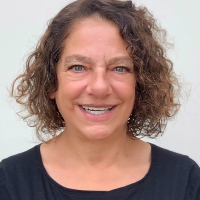
About Emily
Emily uses tools from cognitive behavioral therapy and dialectical behavior therapy to address patterns of thinking and behavior. She also draws on acceptance and commitment techniques and attachment-focused ideas to help with difficult feelings and relationship concerns. In sessions she emphasizes clear, usable skills alongside understanding where problems started.
Her work covers many common life challenges. People come to her for anxiety, depression, grief and loss, anger, and difficulties regaining trust in relationships. She also supports those navigating career changes, parenting strain, compassion fatigue, addiction concerns, ADHD, and issues related to identity and intimacy.
Emily practices in New Hampshire and holds LPC and LCMHC credentials as listed. She speaks English and is available to work with international clients. Costs vary with location and therapist availability, and sessions are provided through a subscription that can be canceled at any time.
To begin, people complete a short matching questionnaire and schedule according to the therapist's availability. Emily focuses on collaborating with each person to set goals and choose practical steps that fit daily life.
Areas of expertise
Also works with
Additional focus areas
Therapeutic approaches
Experience
7+ years
Credentials
Pennsylvania, New Hampshire
Languages
English
How therapeutic approaches shape online care
Acceptance and Commitment Therapy (ACT) focuses on helping people notice difficult thoughts and feelings without getting stuck in them. It encourages clarifying personal values and taking small actions that match what matters most, which can help with anxiety, depression, and life transitions.Cognitive Behavioral Therapy (CBT) looks at how thoughts, feelings, and behaviors interact. Sessions involve identifying unhelpful thinking patterns and practicing new skills to reduce symptoms like anxiety, insomnia, or low mood.
Finding the right approach is part of the work. The therapist will collaborate with each person to choose methods that match their goals, preferences, and daily life. That choice can shift over time as needs change.
Online therapy can make it easier to fit sessions into busy schedules, reduce travel time, and allow for shorter check-ins when needed. Because formats were not specified in the profile, confirm which session types are offered before booking. Many people find remote sessions help them practice skills between meetings and keep momentum during transitions.
Frequently asked questions
What kinds of concerns does this therapist work with?
Areas of focus include anxiety, depression, grief and loss, trauma and abuse, addiction, relationship and intimacy issues, parenting and career concerns, and ADHD.
What is the therapist's general approach in sessions?
The therapist uses a person-centered and trauma-informed approach, combining skill-building from CBT and DBT with acceptance and attachment-informed ideas to help people manage emotions and behavior.
How much experience does the therapist have?
She has seven years of experience working in clinical settings with a range of concerns and client goals.
What credentials and location are listed?
Credentials shown are LPC and LCMHC with practice based in New Hampshire.
Are sessions offered in other languages or to international clients?
Sessions are offered in English, and the therapist accepts international clients.
Which session formats are available?
Session formats are not specified in the profile; please confirm current session options before booking.
How does payment and cost work?
Cost varies with location and therapist availability, and sessions operate through a subscription that can be canceled at any time.
What steps are involved in getting started?
Begin by selecting the Start Therapy button, completing a short matching questionnaire, and then scheduling according to the therapist's availability.