- Direct feedback
- Practical coping tools
- Service and civilian life
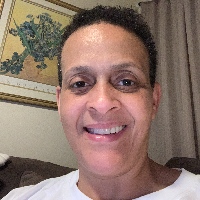
About Eugenia
She focuses on straightforward, practical conversations. Sessions center on the client's immediate concerns and on finding clearer ways to cope. Eugenia aims to help people see problems from different angles and to use their own strengths to manage stressors.
Her experience covers a wide range of challenges, including anxiety, depression, trauma, grief, addictions, bipolar concerns, ADHD, and issues around intimacy and relationships. She has worked in settings that included foster care, corrections, and long-term mental health care, which informs how she supports people facing complex, overlapping needs.
Eugenia uses a mix of client-centered listening and structured methods such as cognitive behavioral techniques and mindfulness. She also draws on emotionally focused ideas and motivational interviewing when those approaches fit a person’s goals.
Her approach is collaborative and direct. She helps people sort priorities, try small changes, and check what works. Clients who want clear, respectful feedback and practical coping tools tend to find this style helpful.
Areas of expertise
Primary focus
Also works with
Additional focus areas
Therapeutic approaches
Experience
22+ years
Credentials
North Carolina
Languages
English
How her approaches work in online therapy
Client-Centered Therapy focuses on listening and supporting you where you are. The therapist follows the client’s lead, reflects feelings, and helps people clarify what matters most to them. Cognitive Behavioral Therapy, or CBT, looks at the links between thoughts, feelings, and actions; it uses practical exercises to test new ways of thinking and behaving that can reduce anxiety and depressive symptoms. Emotionally-Focused Therapy helps people name and shift emotional patterns that get in the way of closer relationships and communication.Finding the right approach is part of the work together. Eugenia will talk with each person about goals and preferences, and then try methods that match those needs. That collaboration helps adjust techniques over time if something isn’t working.
The therapist’s profile does not specify session formats, so please confirm current options before booking. Online sessions can make it easier to fit therapy into a busy week, reduce travel time, and let people keep appointments during transitions or when schedules change. Some formats allow shorter check-ins while others let you use video for fuller conversation, so discussing what fits your routine is a good first step.
Frequently asked questions
What concerns does Eugenia commonly address?
She works with stress, anxiety, depression, trauma and abuse, addictions, grief, relationship and intimacy issues, parenting strain, ADHD, bipolar concerns, and LGBT-related challenges.
What is her therapy style like?
Her style is straightforward and collaborative. She listens, offers objective perspectives, and helps clients try practical coping steps.
How long has she practiced clinically?
Eugenia has 22 years of experience working in the mental health and substance use fields.
What credentials and region are listed for this therapist?
She is an LCMHC licensed in North Carolina and holds a Master of Science in Mental Health Counseling from St. Thomas University.
Which languages are supported and can international clients connect?
Sessions are offered in English, and she accepts international clients.
What session formats are available?
The original profile does not list specific session formats; please confirm the current options before booking.
How does billing and cost work?
Cost varies with location and therapist availability; sessions use a subscription that can be canceled at any time.
How do I begin working with her?
Select the Start Therapy button, complete the short matching questionnaire, and schedule a time according to therapist availability.