- Goal focused
- Culturally aware
- Action oriented
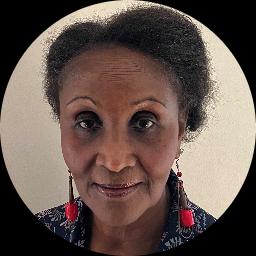
About Eunice
Her approach is straightforward and action-oriented. She often uses cognitive behavioral techniques to notice and change unhelpful thinking and behavior. Motivational Interviewing can help people find their own reasons to change, and Solution-Focused Therapy looks for steps that lead to small, early wins.
Dr. Ngumba-Gatabaki works with many concerns that come up in everyday life. These include anxiety, depression, relationship and intimacy-related issues, grief and loss, trauma and abuse, addictions, eating and sleeping problems, anger, self-esteem, bipolar disorder, ADHD, and coping with major life transitions. She also has experience with veteran and armed forces issues and multicultural concerns.
In sessions she tailors conversations and plans to each person’s needs. That can mean breaking big problems into manageable steps, practicing new skills, or planning helpful routines. She emphasizes clear goals and small, measurable changes.
Starting therapy is a process she treats with care. People are encouraged to take the first step, complete the intake, and begin scheduling on a timeline that fits them. Her credential is NC Psychologist 2386 and she practices in North Carolina.
Areas of expertise
Primary focus
Also works with
Additional focus areas
Therapeutic approaches
Experience
22+ years
Credentials
North Carolina
Languages
English, Kikuyu, Swahili
How these approaches guide online therapy
Dr. Ngumba-Gatabaki often uses Cognitive Behavioral Therapy and Solution-Focused Therapy in her work. Cognitive Behavioral Therapy (CBT) helps people identify unhelpful thoughts and habits and then practice different ways of thinking and acting to reduce anxiety and depression. Solution-Focused Therapy concentrates on small, practical steps and early wins to build momentum and solve current problems rather than dwelling on past events.Finding the right approach is part of the work together. The therapist will ask about goals, preferences, and what has or has not helped before. She will collaborate on a plan and adjust methods as needed so sessions fit the client’s needs and pace.
Please confirm current session options before booking so you know what formats are offered. Online therapy can make it easier to fit sessions into a busy life by reducing travel and allowing check-ins during a break or between commitments. It can also allow a shorter phone or video check-in when that fits better with the day’s schedule. Licensed professionals can help select approaches and session rhythms that work with your routine without promising specific outcomes.
Frequently asked questions
What issues does this therapist help with?
She works with stress, anxiety, relationship and intimacy-related concerns, trauma and abuse, grief, depression, addictions, eating and sleeping issues, anger, self-esteem, bipolar disorder, ADHD, and coping with life changes. She also focuses on veteran and armed forces issues and multicultural concerns.
What is her therapeutic style?
Her style is practical and goal-oriented. She uses approaches that emphasize working on thoughts, behaviors, motivation, and concrete steps toward change.
How long has she been practicing?
She has 22 years of professional experience as a practicing psychologist.
Where is she licensed and located?
She is licensed in North Carolina as NC Psychologist 2386 and practices in North Carolina.
Which languages are offered for sessions?
Sessions are offered in English, Kikuyu, and Swahili.
Can people outside the United States work with her?
International clients are not currently accepted.
How are sessions paid for?
Cost varies with location and therapist availability; sessions use a subscription that can be canceled at any time.
How do I begin working with her?
Click the Start Therapy button, complete a short matching questionnaire, and then schedule according to the therapist's availability.