- Person-centered approach
- Practical coping steps
- Relational focus
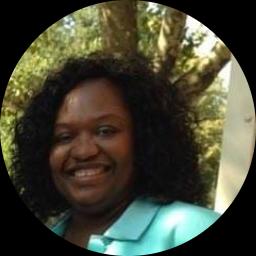
About Florence
Florence uses a person-centered, straightforward style in sessions. She listens closely and helps clients name what matters most. Conversations focus on clearer communication, manageable coping steps, and practical choices people can try between meetings.
Her clinical toolkit includes attachment-based methods to look at patterns in relationships, cognitive behavioral techniques to spot and change unhelpful thinking, and emotionally-focused work to help process strong feelings. She also draws on existential ideas to help people find meaning when life feels uncertain.
Clients can expect collaborative planning that sets short-term goals and checks progress. Florence encourages small experiments - new ways of talking, setting boundaries, or shifting routines - then reviews what worked. She emphasizes realistic, everyday changes rather than abstract theory.
Florence practices in New York and holds an LMHC credential. Sessions are conducted in English. For people coming from military or civilian life transitions, she offers understanding of those specific stressors and how they affect relationships and work life.
Areas of expertise
Primary focus
Also works with
Additional focus areas
Therapeutic approaches
Experience
15+ years
Credentials
New York
Languages
English
How therapeutic approaches guide online work
Attachment-based work focuses on how past and present relationships shape feelings and behavior. It helps people see recurring patterns and try new ways of relating to others and themselves.Cognitive behavioral therapy, or CBT, looks at the connection between thoughts, feelings, and actions. It teaches simple tools to test unhelpful thoughts and build different habits that reduce anxiety and depressive symptoms.
Emotionally-focused therapy helps people identify and sit with strong emotions so they can be processed rather than avoided. It is useful when anxiety, grief, or relationship pain feels overwhelming.
Finding the right approach is a team effort. The therapist will talk with the client about goals and preferences and then suggest methods to try. Plans are adjusted as progress is reviewed so the work stays focused on what the client wants to change.
Confirm available session formats before booking, since formats are not specified here. Online therapy can make it easier to fit sessions into a busy week - for example by saving travel time, allowing shorter check-ins when schedules are tight, or reducing the need to be on camera. Licensed professionals can use these options to help clients make steady progress while juggling everyday responsibilities.
Frequently asked questions
What kinds of concerns does this therapist help with?
She supports people with stress, anxiety, depression, relationship and family issues, grief, addictions, parenting struggles, and problems with self-esteem and intimacy.
How would you describe the therapy style?
Sessions are person-centered and collaborative, focusing on clear listening, practical steps, and improving communication over time.
What background and experience does the therapist have?
She has 15 years of clinical experience working with a wide range of emotional and relational concerns, including trauma recovery and workplace stress.
What credentials and location are listed?
She is an LMHC licensed in New York and practices out of New York.
Which languages are supported and can international clients book?
Sessions are offered in English and she does not accept international clients at this time.
What session formats are available?
Session formats are not specified here; please confirm current session options before booking to ensure they meet your needs.
How much do sessions cost?
Cost varies with location and therapist availability, and sessions use a subscription that can be canceled at any time.
How do I begin working with this therapist?
Start by selecting the Start Therapy button, completing a short matching questionnaire, and scheduling according to therapist availability.