- Stress and anxiety
- Trauma recovery
- Relationship skills
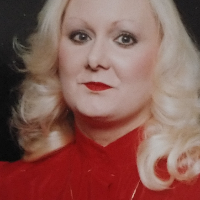
About Gwendolyn
With 41 years of experience, she has worked in public agencies and in private practice. She has supported people referred through self-referral, employee assistance programs, and family court systems. That background gives her experience with a wide range of concerns, from mood disorders to grief and caregiving stress.
In sessions she draws on approaches such as Attachment-Based Therapy, Cognitive Behavioral Therapy (CBT), Dialectical Behavior Therapy (DBT), Emotionally-Focused Therapy (EFT), and Eye Movement Desensitization and Reprocessing (EMDR). She mixes strategies to match the person and the problem rather than using a single fixed method. Expect clear, actionable steps and space to process difficult feelings.
She often helps people work on relationships, communication problems, parenting strain, body image, and commitment issues. She also supports those managing chronic illness, cancer-related concerns, or compassion fatigue. Her goal is to help people build skills they can use between sessions.
Reaching out for help takes courage, and she emphasizes collaboration and respect. To begin, prospective clients are asked to complete a short intake so sessions can be scheduled according to availability.
Areas of expertise
Primary focus
Also works with
Additional focus areas
Therapeutic approaches
Experience
41+ years
Credentials
Alabama
Languages
English
How therapy approaches translate to online care
Attachment-Based Therapy focuses on how early relationships shape current connections. Online work with this approach looks at patterns in communication and emotional responses, and helps people try new ways of relating in everyday life.Cognitive Behavioral Therapy, or CBT, is about spotting unhelpful thoughts and testing different actions. In remote sessions this often means setting simple experiments between meetings and reviewing what changed.
Dialectical Behavior Therapy, DBT, teaches skills for handling strong emotions and improving moment-to-moment coping. Those skills are practiced in session and then used during the week to reduce overwhelm and improve decision making.
Finding the right approach is a collaborative process. The therapist will talk with the client about goals, preferences, and what has worked before. Together they choose methods and adjust them as needed so care fits the person's life and aims.
Confirm current session options before booking so you know what formats are offered. Online therapy can make it easier to fit sessions into a busy week, allow shorter check-ins when needed, and reduce travel time. It can also let people work with a licensed professional who has experience in trauma, mood disorders, addiction, and relationship challenges without changing daily routines.
Frequently asked questions
What concerns does she commonly help with?
She works with stress, anxiety, depression, addictions, trauma and abuse, grief, relationship and family problems, parenting strain, and related issues like body image and caregiving stress.
What is her therapeutic style like?
Sessions focus on practical steps and emotional processing. She combines talk, skill-building, and targeted techniques to match each person's needs.
How much experience does she bring?
She has 41 years of experience, including time in public agencies and 17 years in private practice working with varied referrals and concerns.
What credential does she hold and where is she based?
She is a Licensed Professional Counselor (LPC) licensed in Alabama and practices from that state.
Which languages are supported?
Sessions are offered in English.
Can international clients work with her?
She does not accept international clients at this time.
How are fees and payment handled?
Cost varies with location and therapist availability, and sessions use a subscription that can be canceled at any time.
How do I start a therapy process with her?
Select the Start Therapy button, complete a short matching questionnaire, and then schedule sessions according to therapist availability.