- Person-centered care
- Practical coping tools
- Focus on life changes
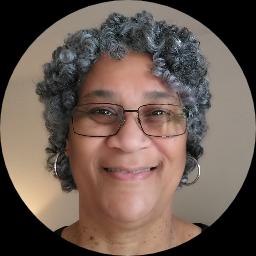
About Gwendolyn
Her approach centers on the person in front of her. She uses client-centered methods that treat each person as the expert on their own life. Cognitive behavioral tools are used to identify and change unhelpful thinking and behavior patterns. Mindfulness strategies and dialectical behavior skills help with emotional regulation and distress tolerance.
Dr. Drake also works with concerns around relationships, intimacy, grief, anger, and self-esteem. Additional focuses include adoption and foster care, aging and geriatric issues, communication problems, and issues common among veterans and armed forces communities. She discusses concrete steps people can try between sessions to build momentum and see small changes.
She emphasizes compassion and practical problem solving rather than technical language. Expect straightforward conversation, reflection on patterns, and collaborative planning tailored to individual goals. Dr. Drake aims to help people find coping tools that fit their daily lives.
To begin, she asks people to consider what matters most to them and what feels manageable to change. From there she and the client set goals and choose strategies drawn from her clinical approaches and experience.
Areas of expertise
Also works with
Additional focus areas
Therapeutic approaches
Experience
18+ years
Credentials
Virginia, Tennessee, Arkansas
Languages
English
How her approaches work in online therapy
Acceptance and Commitment Therapy (ACT) focuses on clarifying personal values and taking small actions that fit those values. It helps people move toward the life they want even when difficult thoughts or feelings show up. Cognitive Behavioral Therapy (CBT) looks at unhelpful thinking and behavior patterns and teaches practical skills to change them, useful for anxiety, depression, and stress. Mindfulness Therapy teaches simple attention and breathing practices to reduce reactivity and improve focus.Finding the right approach is a collaborative process. The therapist will work with each person to identify goals, try methods that suit those goals, and adjust strategies over time. Clients help guide which tools feel most useful, and treatment evolves based on their feedback and progress.
Confirm the specific online session options before booking to know which formats are offered. Online work can make it easier to fit therapy into a busy life by reducing travel time and allowing sessions during breaks or after work. It also lets people use short check-ins or longer weekly sessions depending on what fits their schedule and needs.
Frequently asked questions
What kinds of concerns does she help with?
She works with stress, anxiety, depression, trauma and abuse, grief, relationship and intimacy-related issues, anger, self-esteem, compassion fatigue, and coping with life changes.
What is her general therapeutic style?
Her style is warm and empathic, with a client-centered emphasis that treats you as the expert on your life while offering practical tools and strategies.
How long has she been practicing?
She has 18 years of clinical experience working with a range of emotional and life concerns.
What credentials and location are listed?
She is listed as AR Psychologist 202222 and TN Psychologist 3537 and practices in Tennessee.
Which languages are supported for sessions?
Sessions are offered in English.
Can people from other countries work with her?
She does not accept international clients at this time.
How are sessions paid for and what does it cost?
Cost varies with location and therapist availability; sessions use a subscription that can be canceled at any time.
How do I get started with this therapist?
Click the Start Therapy button, complete a short matching questionnaire, and then schedule according to the therapist's availability.