- Client-centered focus
- Skills-based methods
- 15 years experience
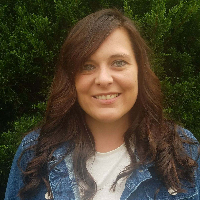
About Heather
She has run treatment centers and provided case management for people with serious mental health needs, so she is familiar with different levels of care and recovery paths. That background informs how she approaches practical problem solving in therapy. Clients can expect clear, goal-focused conversations rather than vague techniques.
Heather uses several counseling approaches to meet each person's needs, including client-centered work, cognitive behavioral techniques, dialectical behavior ideas, hypnotherapy, and mindfulness-based practices. She adapts tools to the concern at hand, whether someone needs strategies for emotional regulation, habit change, or coping with trauma.
Outside the office she teaches dance and reads widely about resilience and recovery. Those interests shape a collaborative, curious approach in sessions. Heather emphasizes the strengths people already have and helps them build on those resources.
She is currently working as a school counselor in West Virginia and offers online counseling to reach people who face transportation barriers or prefer remote sessions. Before booking, readers should confirm the current session formats and scheduling options.
Areas of expertise
Primary focus
Also works with
Additional focus areas
Therapeutic approaches
Experience
15+ years
Credentials
West Virginia
Languages
English
How her approaches translate to online therapy
Heather commonly uses client-centered work and cognitive behavioral techniques in sessions. Client-centered work means the conversation is focused on the person’s priorities and feelings, with the therapist following your lead to understand what matters most. Cognitive behavioral techniques break problems into thoughts, feelings, and actions, and teach practical tools to change unhelpful patterns.Finding the right approach is part of the work. Heather will talk with each person about their goals, preferences, and daily life, and then suggest methods to try. That choice is collaborative and can be adjusted as therapy progresses.
Online counseling can make it easier to fit therapy into a busy schedule and reduce travel time. It can also allow shorter check-ins when a full in-person visit would be difficult, or make sessions possible for people with limited transportation. Because session formats are set by the therapist, confirm the available options before booking so you know which format fits your routine.
Frequently asked questions
What kinds of problems does she help with?
She works with stress, anxiety, depression, addictions, trauma and related issues like ADHD, bipolar challenges, relationship stress, parenting strain, and LGBT concerns.
What is her therapy style like?
Her approach is practical and collaborative. Sessions focus on clear goals, coping skills, and using techniques that match the person’s needs.
How much clinical background does she have?
She brings 15 years of experience across school counseling, mental health counseling, and substance abuse services, including running treatment programs and case management roles.
Where is she licensed and based?
She holds an LPC credential and practices in West Virginia while also having worked in North Carolina in the past.
Which languages are sessions offered in?
Sessions are offered in English.
Can people outside the U.S. work with her?
International clients are not currently accepted.
How are fees handled?
Cost varies with location and therapist availability; sessions use a subscription that can be canceled at any time.
How do I begin working together?
Use the Start Therapy button, complete the short matching questionnaire, and schedule sessions according to the therapist’s availability.