- CBT based tools
- Family communication
- Trauma informed
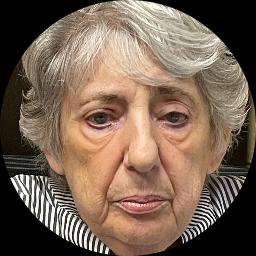
About Joy
She approaches work in a straightforward way. Joy listens to each person’s story and helps them identify strengths they already have. Sessions focus on clear goals and small, manageable steps toward those goals.
Joy often uses Cognitive Behavioral Therapy, which looks at how thoughts and actions affect feelings. She pairs that with problem-solving and communication work when relationships or family issues are involved. The aim is to build skills people can use day to day.
Her background includes two and a half decades of varied clinical work across adult concerns. That experience informs a practical style that keeps sessions focused and useful. Joy respects cultural differences and attends to multicultural concerns and issues facing veterans and armed forces members when they arise.
People also bring concerns such as aging and geriatric issues, body image, isolation, social anxiety, traumatic brain injury, and young adult transitions. Joy helps people talk through these matters and develop coping strategies that fit their life.
She invites prospective clients to take a first step by choosing a path that feels manageable and by building on what already works in their life.
Areas of expertise
Primary focus
Additional focus areas
Therapeutic approaches
Experience
25+ years
Credentials
North Carolina
Languages
English
How CBT and practical approaches work online
Joy uses Cognitive Behavioral Therapy to help people notice how thoughts, behaviors, and feelings interact. In simple terms, CBT looks for patterns that keep problems going and teaches new ways of thinking and acting to reduce distress. This approach is often used for anxiety, stress, low self-esteem, and social anxiety.She also focuses on skills for communication and problem-solving. That work helps when relationship tensions or family conflicts create ongoing stress. Exercises may include planning small practice steps, trying new conversation techniques, and reviewing what worked between sessions.
Choosing the right approach is a shared process. The therapist will work with each person to decide which methods fit their goals, needs, and preferences. That collaboration includes checking progress and adjusting methods as needed.
The therapist's profile does not list specific online session formats. Confirm current session options before booking so you know what is offered. Online work can make it easier to fit therapy into a busy day, reduce travel time, and allow shorter check-ins when needed. It can also help maintain momentum between in-person visits or when people relocate, while keeping the focus on practical skills and steady progress.
Frequently asked questions
What concerns does Joy commonly address?
She works with stress, anxiety, self-esteem, relationship and family issues, and effects of trauma and abuse. Additional focuses include aging, body image, loneliness, veteran and armed forces issues, post-traumatic stress, social anxiety, traumatic brain injury, and young adult concerns.
How would you describe the therapy style?
The approach is practical and goal-focused. Sessions emphasize listening, identifying strengths, and learning manageable skills to handle day-to-day challenges.
What kind of background does the therapist have?
Joy has over 25 years of professional work experience in clinical settings. That breadth of experience shapes a pragmatic and steady way of working with clients.
What credentials and location apply?
She holds an LCMHC credential in North Carolina and practices based in that state.
In which languages are sessions offered?
Sessions are offered in English and international clients are not currently accepted.
What session formats are available?
The original biography does not specify session formats. Please confirm current session options before booking.
How are costs handled?
Cost varies with location and therapist availability. Sessions use a subscription that can be canceled at any time.
How do I begin working with Joy?
Use the Start Therapy button, complete a short matching questionnaire, and schedule according to therapist availability.