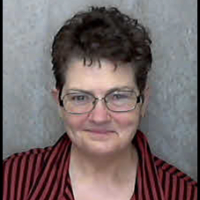
- 35 years experience
- Relationship-focused care
- Helps with trauma
About Julie
Her style is practical and people-focused. She helps people name what feels wrong and then tries straightforward steps to change how they respond. Sessions are conversational and paced to each person's needs. Julie pays attention to relationships, emotional patterns, and the life stresses that make coping harder.
Julie helps with stress, anxiety, depression, grief, trauma and abuse, and addictions. She also supports people dealing with intimacy challenges, body image, parenting stresses, caregiver strain, and career transitions. She works with issues tied to attachment, abandonment, blended families, and substance use concerns.
Clinically, Julie uses tools from attachment-based work, client-centered methods, cognitive behavioral therapy, dialectical behavior therapy, and emotionally-focused approaches. She adapts techniques to what a person says they need and what fits their situation. The goal is clearer thinking and more manageable daily choices.
People who prefer a seasoned clinician who listens and offers concrete options may find her approach helpful. To begin, follow the site’s Start Therapy flow and complete the short matching questionnaire to schedule sessions according to therapist availability.
Areas of expertise
Primary focus
Also works with
Additional focus areas
Therapeutic approaches
Experience
35+ years
Credentials
Texas, Texas, Connecticut, Maryland, New Hampshire
Languages
English
How these approaches translate to online therapy
Attachment-based work focuses on how people connect and respond in relationships. It helps identify patterns that repeat in close relationships and then tries new ways of relating that feel safer and more dependable.Client-centered therapy centers on listening and reflecting. The therapist follows the person's concerns, offers empathy, and supports each person in finding their own solutions to worries and life decisions.
Cognitive behavioral therapy looks at the links between thoughts, feelings, and actions. It uses practical exercises and small behavioral experiments to shift unhelpful thinking and reduce anxiety or depression.
Choosing the right approach is part of the work together. The therapist will discuss goals, preferences, and what has or has not helped before, then suggest which methods to try. This decision is collaborative and can change as the work progresses.
If you are interested in online therapy, confirm the specific session formats before booking since formats are not listed here. Online options can make it easier to fit sessions into a busy day, reduce travel time, and allow shorter check-ins when needed. Talk with the therapist about what will best fit your schedule and daily routine so sessions are practical and useful.
Frequently asked questions
What concerns does she help with?
She works with many issues including stress, anxiety, depression, grief, trauma and abuse, addictions, intimacy-related problems, and caregiver strain.
What is her general therapeutic style?
Her style is conversational and practical, aiming to help people name problems and try clear, doable steps to change behavior and feelings.
How much experience does she have?
Julie has 35 years of clinical experience, including work in Texas and earlier roles in Canada and the South Pacific.
What credentials and location are on file?
She holds LCSW-C and LCSW credentials and practices from Texas.
Which languages are offered and are international clients accepted?
Sessions are offered in English, and she accepts international clients.
What session formats are available?
Session formats are not specified here; please confirm current session options before booking.
How are fees handled?
Cost varies with location and therapist availability; sessions use a subscription that can be canceled at any time.
How do I get started with this therapist?
Select the Start Therapy button, complete the short matching questionnaire, and then schedule according to therapist availability.