- Evidence-based methods
- Practical problem solving
- Trauma-informed listening
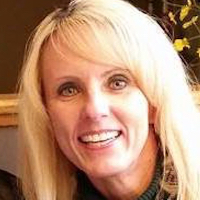
About Julie
She has a master’s degree in Counseling Psychology from the University of Texas at El Paso and about four years of clinical experience. Much of her recent work has been in community mental health, including crisis response over the past year and a half. That background informs how she responds to intense moments and sudden changes.
Julie uses approaches such as cognitive behavioral work, mindfulness practices, reality-oriented methods, and motivational interviewing. She adapts the method to the person she is meeting rather than using one fixed model. That means sessions may focus on thoughts and behaviors one week, and on practical problem-solving the next.
People come to her for a wide range of concerns, including mood disorders, trauma and abuse, addiction challenges, grief, relationship and intimacy-related issues, parenting strain, work stress, ADHD, and questions about life purpose. She also notes experience with veteran and armed forces issues and compassion fatigue.
Sessions are offered in English and Julie does not take international clients. She invites people to share their story and to work together on goals that feel realistic and manageable.
Areas of expertise
Primary focus
Also works with
Additional focus areas
Experience
4+ years
Credentials
Texas
Languages
English
How practical approaches translate to online care
Julie often relies on cognitive behavioral tools and mindfulness practices. Cognitive behavioral work focuses on identifying unhelpful thoughts and testing new behaviors to reduce anxiety and depression. Mindfulness teaches simple attention and breathing exercises to help manage stress and strong emotions.She also uses reality-oriented methods and motivational interviewing when helpful. Reality-oriented methods focus on clear, practical problem solving and goal-setting. Motivational interviewing supports people who feel stuck or ambivalent, helping them clarify what they want and take small steps toward it.
Finding the right mix of approaches is part of the process. The therapist collaborates with each person to figure out which methods fit their goals and daily life. Treatment plans are adjusted as progress is made and priorities change.
The practical benefits of online therapy can include easier scheduling, fewer travel needs, and fitting sessions into work or family routines. Because the biography does not specify which session formats are offered, confirm current session options before booking to make sure they match your needs. Licensed professionals can often tailor session length and focus to fit busy days and changing schedules.
Frequently asked questions
What concerns can Julie help with?
She helps people facing stress, anxiety, depression, trauma and abuse, bipolar disorder, addictions, relationship and intimacy issues, grief, parenting strain, ADHD, and related life changes.
What is her approach to therapy?
She uses evidence-based techniques such as cognitive behavioral tools, mindfulness, reality-oriented methods, and motivational interviewing, tailoring the method to each person's needs.
What training and experience does she have?
Julie holds a master’s degree in Counseling Psychology from the University of Texas at El Paso and has about four years of professional experience, including work in community mental health and crisis response.
Where is Julie licensed and located?
She is a Licensed Professional Counselor (LPC) licensed in Texas and practices from that state.
Which languages are supported in sessions?
Sessions are offered in English.
Can international clients work with her?
She does not accept international clients at this time.
How are costs handled for sessions?
Cost varies with location and therapist availability; sessions use a subscription that can be canceled at any time.
How do I begin working with Julie?
Start by selecting the Start Therapy button, complete the short matching questionnaire, and then schedule sessions according to the therapist's availability.