- Practical coping skills
- Trauma-aware care
- Strengths focused
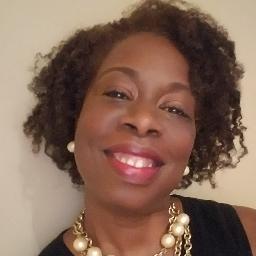
About Karen
Her approach blends several therapy styles to match each person's needs. She uses cognitive behavioral tools to spot and change unhelpful thinking patterns. She draws on dialectical behavior ideas to teach emotion regulation and coping skills. Attachment-based ideas help address relationship patterns and closeness struggles.
Karen describes her work as strength-focused and trauma-aware. She aims to reduce impulsive or addictive behaviors and rebuild healthier routines and relationships. Sessions center on hands-on strategies, skill practice, and goal setting that fit daily life.
Her background includes seven years of clinical experience and training in a range of counseling methods. She holds a Master of Arts in Clinical Mental Health Counseling and maintains professional memberships related to counseling practice. Karen has also written about spirituality in recovery and delivered presentations to community groups.
People who choose her often want practical tools, clearer communication in relationships, and ways to manage strong emotions. She invites prospective clients to consider what matters most to them and bring those goals to the first meeting.
Areas of expertise
Primary focus
Also works with
Additional focus areas
Therapeutic approaches
Experience
7+ years
Credentials
Georgia
Languages
English
How therapeutic approaches translate to online work
Acceptance and Commitment Therapy (ACT) focuses on helping people notice painful thoughts and feelings without getting stuck in them, and then act in ways that match their values. It can help with anxiety, depression, and coping with life changes. Cognitive Behavioral Therapy (CBT) teaches practical steps to spot and change unhelpful thoughts and behaviors, which is useful for mood, sleep, and coping skills. Attachment-Based Therapy looks at how early relationship patterns affect current connections and supports work on trust, communication, and intimacy concerns.Finding the right approach is part of the process. The therapist will talk with each person about their goals, daily routines, and what techniques feel most helpful. Together they will try methods and adjust them based on what works in real life, keeping the plan flexible and collaborative.
If you are considering online work, confirm the current session options before booking since formats are not specified here. Many people appreciate online sessions because they can fit therapy into a busy schedule, avoid travel time, or have a shorter check-in when needed. Online work also makes it easier to practice skills between meetings and to bring real-life examples into sessions. A conversation at the start will clarify how sessions will be scheduled and what to expect from the online process.
Frequently asked questions
What concerns can Karen help with?
She supports people with addiction, anxiety, depression, trauma, grief, relationship and intimacy issues, stress, anger, and related concerns listed in her practice specialties.
What is her general therapy style?
Her style is pragmatic and strength-focused, using hands-on strategies, skill practice, and clear goals to help clients make changes that matter.
How long has she been practicing?
Karen has seven years of clinical experience working with a range of mental health and life challenges.
What credentials and location are listed for this therapist?
She is a Licensed Professional Counselor (LPC) practicing in Georgia and holds a Master of Arts degree in Clinical Mental Health Counseling.
Which languages are supported for sessions?
Sessions are offered in English.
Does she see international clients?
International clients are not currently accepted.
How are costs handled?
Cost varies with location and therapist availability, and sessions use a subscription that can be canceled at any time.
What steps do I take to begin working together?
Click the Start Therapy button, complete a short matching questionnaire, and schedule according to the therapist's availability.