- Action-oriented help
- Biblical worldview option
- Trauma informed support
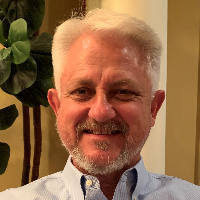
About Kevin
Kevin draws on approaches like cognitive behavioral therapy, acceptance and commitment therapy, emotionally-focused methods, existential ideas, and client-centered care. Sessions tend to emphasize clear steps and workable strategies rather than long history-taking. He often helps people set goals, build coping skills, and restore a sense of calm and motivation.
He has 14 years of experience and many hours working with people affected by trauma, addiction, and legal system involvement. His background includes crime victim counseling and collaboration with law enforcement and victim advocates in complex cases. He also offers counseling from a biblical worldview when a client requests faith-informed support.
Kevin describes his style as warm, interactive, and encouraging. He aims to treat people with respect and without stigmatizing labels. He often focuses on communication improvement, impulse control, relaxation techniques, and rebuilding self-esteem.
If someone wants to begin, he asks them to complete a short matching questionnaire and schedule sessions through the Start Therapy button. International clients who prefer English may be supported, and session arrangements should be confirmed before booking.
Areas of expertise
Primary focus
Also works with
Additional focus areas
Therapeutic approaches
Experience
14+ years
Credentials
South Carolina
Languages
English
How his approaches guide online work
Acceptance and Commitment Therapy (ACT) helps people clarify what matters most and take small steps toward those values while accepting difficult thoughts and feelings. Cognitive Behavioral Therapy (CBT) focuses on identifying unhelpful thinking and changing behaviors to reduce symptoms like anxiety and depression. Emotionally-Focused Therapy (EFT) concentrates on emotional experiences and improving communication in close relationships to rebuild connection.Choosing the right approach is part of the work together. Kevin will talk with each person about their goals and preferences and suggest methods that fit those needs. That decision is collaborative and can change as progress is made.
The original biography does not specify which online session types are used, so confirm available formats before you book. Many people find remote sessions helpful because they can fit therapy around work, reduce travel time, and allow shorter check-ins when needed. Talk with the therapist or service to learn about scheduling, session length, and any technical or practical arrangements that help therapy fit into everyday life.
Frequently asked questions
What concerns does Kevin commonly address?
He works with stress, anxiety, depression, addiction, trauma and abuse, relationship and family issues, parenting and career concerns, bipolar challenges, grief, and ADHD.
What is his therapy style like?
His approach is warm, interactive, and goal-focused. He emphasizes practical steps and teamwork to help people make changes.
What sort of background and experience does he have?
He has 14 years of experience and extensive work with crime victims, addictions, and clients involved with legal systems.
What credentials and location are listed?
He holds the LPC credential (Licensed Professional Counselor) in South Carolina and practices from that state.
Are sessions available in other languages or for international clients?
Sessions are offered in English, and he does accept international clients; confirm specifics when you schedule.
What session formats are offered?
The original profile does not list specific session formats, so confirm current session options with the service before booking.
How is cost handled for sessions?
Cost varies with location and therapist availability; sessions use a subscription that can be canceled at any time.
How do I get started working with him?
Use the Start Therapy button, complete a short matching questionnaire, and schedule according to the therapist's availability.