- Recovery-oriented care
- Values-based work
- Practical skills
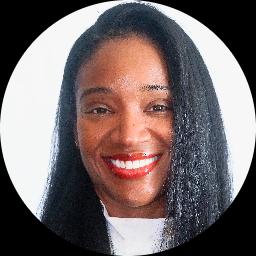
About LaTasha
Her background includes work with serious mental illness and substance use concerns, using a recovery-oriented framework. She has experience helping people from a range of cultural and socioeconomic backgrounds. That practical experience shapes how she plans care and sets goals with each person.
LaTasha uses straightforward, evidence-informed approaches such as Acceptance and Commitment Therapy, cognitive behavioral strategies, attachment-based ideas, client-centered work, and mindfulness practices. Sessions tend to focus on building skills, clarifying values, and making small changes that add up over time.
She pays attention to how past losses, attachment wounds, or experiences of trauma affect day-to-day coping. In sessions she helps people work through anger, impulsivity, codependency, and patterns that cause distress. She also addresses complex situations like chronic pain, dissociation, and compassion fatigue.
People who prefer practical tools and clear steps to manage symptoms may find her style useful. LaTasha aims for collaborative planning, helping each person set realistic short-term goals while working toward longer-term recovery.
Areas of expertise
Primary focus
Also works with
Additional focus areas
Therapeutic approaches
Experience
10+ years
Credentials
Florida, Massachusetts, Arkansas, Florida
Languages
English
Approaches you may use in online sessions
Acceptance and Commitment Therapy (ACT) helps people clarify what matters most to them and take small steps toward those values despite painful feelings. It is often used for anxiety, depression, and life transitions.Cognitive Behavioral Therapy (CBT) focuses on identifying unhelpful thoughts and testing them with practical experiments. It is useful for anxiety, mood concerns, and patterns like impulsivity or avoidance.
Client-Centered Therapy emphasizes hearing each person's experience and shaping the pace of work around their needs. This approach supports people who need space to process grief, trauma, or relationship issues.
Finding the right approach is part of the work. The therapist will collaborate with the client to choose methods that fit their goals, preferences, and situation. That may mean combining elements from different approaches and adjusting as progress is made.
Confirm the specific session formats available before booking, as this profile does not list them. In general, online therapy can make it easier to fit appointments into a busy day, reduce travel time, and allow for shorter check-ins when needed. Some formats need less bandwidth or do not require being on camera, which can help when a quieter environment or a quick break at work is preferred.
Frequently asked questions
What kinds of concerns does LaTasha commonly address?
She works with stress, anxiety, depression, bipolar mood issues, addictions, trauma and abuse, grief, relationship and intimacy-related concerns, and ADHD among other areas.
How would you describe her therapeutic style?
Her approach is practical and collaborative, focusing on skills, values, and step-by-step plans using methods like mindfulness and cognitive-behavioral techniques.
What relevant experience does she bring?
LaTasha has ten years of experience and has worked with people across diverse socioeconomic, cultural, and educational backgrounds, including work with serious mental illness and substance use concerns.
Where is LaTasha licensed and based?
She holds LCSW credentials listed as AR LCSW and FL LCSW and practices in Florida.
Which languages are sessions offered in?
Sessions are offered in English.
Are international clients supported?
International clients are not currently accepted.
How are session costs handled?
Cost varies with location and therapist availability; sessions use a subscription that can be canceled at any time.
What should I do to begin working with her?
To get started, select the Start Therapy button, complete a short matching questionnaire, and schedule according to the therapist's availability.