- Collaborative care
- Evidence-based tools
- Focus on coping
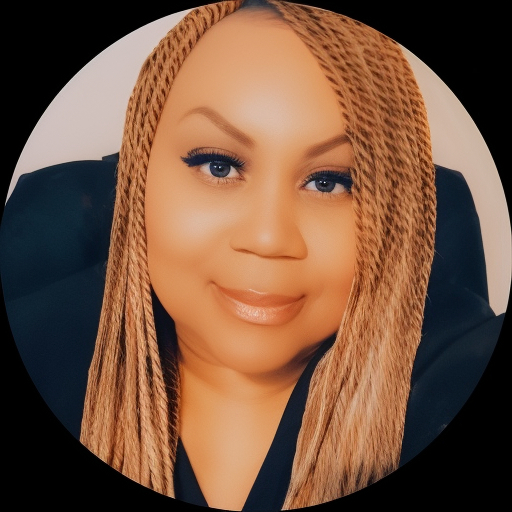
About Latonia
She draws from evidence-based therapeutic techniques to offer practical tools for everyday life. Sessions often focus on coping skills, emotion regulation, and clearer communication. Latonia encourages small, manageable changes that add up over time.
Her background includes private practice, telehealth, and work in school settings. That range gives her experience with different life stages and environments. She uses that experience to adapt methods to what fits a person’s routine.
Latonia uses a mix of methods rather than a single school of thought. She may combine cognitive-behavioral strategies, mindfulness practices, and interpersonal techniques depending on goals. The aim is to build emotional resilience and practical problem-solving skills.
People come to her for help with issues such as ADHD, bipolar disorder, depression, panic and trauma. She also addresses related concerns like isolation, communication problems, impulsivity, and the effects of domestic violence or divorce. Sessions focus on clear steps clients can try between meetings.
Starting therapy with Latonia begins with a short matching questionnaire and scheduling that fits the client. She frames therapy as a partnership where the client's voice guides each step toward clearer thinking and steadier mood.
Areas of expertise
Primary focus
Additional focus areas
Experience
18+ years
Credentials
Michigan
Languages
English
How evidence-based techniques fit into online therapy
Latonia draws from evidence-based approaches to help people make concrete changes. Cognitive Behavioral Therapy (CBT) focuses on identifying unhelpful thoughts and testing them with real-life experiments; it can help with anxiety, depression, and mood swings. Mindfulness-based practices teach simple attention and breathing skills to reduce overwhelm and manage stress in the moment. Dialectical Behavior Therapy (DBT) skills emphasize emotion regulation and distress tolerance, which can be useful for impulsivity and strong mood shifts.Choosing the right approach is part of the work together. The therapist will talk with the client about needs, goals, and preferences and then try methods that fit. That collaborative process means techniques can be adjusted as progress unfolds.
The profile notes experience with telehealth, but it does not list specific session formats here, so confirm current options before booking. Online sessions can make it easier to fit therapy into a busy schedule, reduce travel time, and allow shorter check-ins when needed. They also let clients practice skills in their usual routines and bring real-life situations into discussion during sessions.
Frequently asked questions
What concerns does she help with?
She works with stress, anxiety, trauma and abuse, bipolar disorder, depression, and ADHD, plus related issues like isolation, communication problems, and impulsivity.
What is her therapy style like?
She uses a warm, collaborative style and adapts methods to each person. Sessions emphasize practical skills and step-by-step progress.
How much clinical experience does she have?
She has 18 years of professional experience across private practice, telehealth, and school-based settings.
What are her credentials and location?
She is a Licensed Master Social Worker, listed as MI LMSW, and practices in Michigan.
Can I work with her if I live outside the United States?
Sessions are offered in English and she is not currently accepting international clients.
What session formats are available?
The biography mentions telehealth experience but does not specify current session formats; please confirm available formats before booking.
How does cost and billing work?
Cost varies with location and therapist availability and sessions use a subscription that can be canceled at any time.
How do I begin working with her?
Click the Start Therapy button, complete a short matching questionnaire, and schedule according to the therapist's availability.