- Practical coping skills
- Trauma-aware care
- Relationship tools
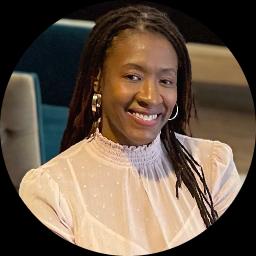
About Latosha
Latosha emphasizes that clients are the experts on their own lives. She helps people identify strengths they already have and use them to face hard moments. Sessions tend to center on real-life goals and small, doable actions that add up over time.
With 11 years of experience, Latosha draws on several clinical methods to match the work to each person. She uses acceptance and commitment ideas to help people accept difficult feelings while moving toward meaningful goals. She also uses cognitive behavioral strategies to spot unhelpful thoughts and shift them into more useful patterns.
For trauma and abuse, Latosha includes approaches that aim to reduce the hold of past events and rebuild daily functioning. She also brings in relationship-focused tools when couples or partners want clearer communication and more stable interactions. Her work is informed by attention to multicultural issues and the specific needs of people connected to Veteran and Armed Forces life.
People who come to Latosha often want practical ways to manage pain, grief, or life transitions like divorce or midlife change. She works to create a supportive, collaborative space where clients set the pace. To begin, readers should confirm current session options and follow the site process to match and schedule time with her.
Areas of expertise
Primary focus
Additional focus areas
Therapeutic approaches
Experience
11+ years
Credentials
Texas, Colorado
Languages
English
How specific therapy methods translate online
Acceptance and Commitment Therapy helps people notice hard feelings without getting stuck and then choose actions that reflect their values. It can help with anxiety, depression, and finding life direction. Cognitive Behavioral Therapy focuses on identifying unhelpful thoughts and testing new behaviors to reduce symptoms and improve daily routines. It is often used for anxiety, depression, and stress management.Finding the right method is part of the work together. The therapist will talk with each person about goals, preferences, and what has or hasn't helped in the past. That conversation guides which approaches are tried and how they are blended over time in a collaborative way.
Confirm the available session formats before booking so you know how sessions will be conducted. Online therapy can make scheduling easier and help fit sessions into a busy life, such as allowing shorter check-ins during a work break or avoiding travel time. It can also make it simpler to continue care across life transitions and geographic moves while working with licensed professionals who adapt tools like ACT and CBT to remote sessions.
Frequently asked questions
What concerns does Latosha commonly help with?
She works with stress, anxiety, relationship difficulties, trauma and abuse, grief, and depression, and she also focuses on related issues like chronic pain, divorce, and postpartum depression.
What is her general therapeutic style?
The approach is collaborative and practical, emphasizing small actions and real-life goals while naming emotions and patterns that get in the way.
How much professional experience does she have?
She has 11 years of professional experience working with people on a range of concerns including trauma, relationships, and mood challenges.
What credentials and location are listed for this therapist?
She holds the LPC credential and practices in Texas, with licensure also noted for Colorado in her background.
Which languages are supported for sessions?
Sessions are offered in English.
Are international clients accepted?
She is not currently accepting international clients.
How are sessions priced and paid for?
Cost varies by location and therapist availability, and sessions use a subscription model that can be canceled at any time.
What steps should I take to begin working with her?
Choose the Start Therapy button, complete the short matching questionnaire, and then schedule sessions according to therapist availability.