- Person-centered care
- CBT and mindfulness
- Veteran perspective
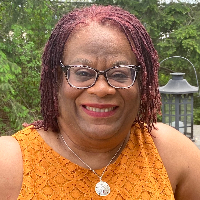
About Laverne
She uses a person-centered approach that starts with listening and understanding where someone is right now. From there she collaborates with each person to set realistic goals and a plan that fits their life. Cognitive Behavioral Therapy (CBT) techniques are used to notice and shift unhelpful thinking and behaviors.
Motivational Interviewing helps people find their own reasons for change, especially around substance use or other habits. Mindfulness practices and holistic tools drawn from her yoga background are offered when they match a person’s needs and preferences. Solution-Focused techniques keep sessions practical and goal-oriented.
Her work has included inpatient addiction care, community mental health for severe mental illness and substance use, and group programs for women navigating life changes. She also supports issues like parenting stress, caregiver strain, family of origin concerns, grief, identity and multicultural matters.
Clients can expect straightforward conversations, problem-solving, and a focus on skills they can use between sessions. She emphasizes meeting people where they are and tailoring plans to each person’s situation and goals.
Areas of expertise
Primary focus
Also works with
Additional focus areas
Therapeutic approaches
Experience
10+ years
Credentials
Michigan
Languages
English
How these approaches shape online sessions
Client-Centered Therapy emphasizes listening and shaping sessions around each person's needs, so online work focuses first on understanding where someone is and what matters most to them. Cognitive Behavioral Therapy (CBT) breaks problems into clear steps and skills, such as spotting unhelpful thoughts and testing new behaviors, which can be practiced between sessions. Mindfulness Therapy uses simple breathing and attention practices to help with stress, anxiety, sleep, and mood regulation.Finding the best approach is a collaborative process. The therapist will talk with each person about goals, preferences, and what has helped or not helped before. Together they pick and adapt tools from these approaches so the plan fits the client's life and pace.
The original biography does not list specific session formats, so confirm available session types before booking. Online work can make it easier to fit therapy into a busy schedule, allow shorter check-ins when needed, and reduce travel time for appointments. Licensed professionals can use therapy time for skills practice, problem-solving, and planning next steps so sessions connect to everyday life.
Frequently asked questions
What kinds of concerns does this counselor help with?
She helps people with stress, anxiety, depression, bipolar mood issues, addiction, self-esteem, trauma, grief, and relationship and family concerns among other topics.
How would you describe the therapy style?
She uses a person-centered approach and combines Cognitive Behavioral Therapy, motivational interviewing, mindfulness, and solution-focused techniques to keep work practical and goal-focused.
What is her professional background?
She has ten years of counseling experience plus long-term volunteer and helping roles. She has worked in inpatient addiction care and community mental health settings.
What credentials and location are listed?
The clinician is a Licensed Professional Counselor (LPC) practicing in Michigan.
Which languages are supported and can international clients connect?
Sessions are offered in English and international clients are accepted.
What session formats are offered?
The original biography does not specify session formats, so please confirm current session options before booking.
How does payment or cost work?
Cost varies with location and therapist availability and sessions use a subscription that can be canceled at any time.
How do I begin working together?
Click the Start Therapy button, complete a short matching questionnaire, and schedule based on the therapist's availability.