- Addiction recovery
- LGBTQIA support
- Coping skills
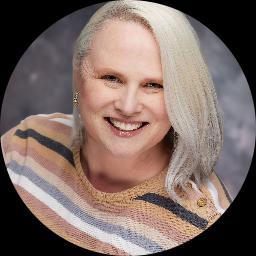
About Linda
Her experience includes treating co-occurring disorders and a range of process addictions like gambling, gaming, shopping, exercise, and sex and love addictions. She has also supported people facing depression, anxiety, anger, low self-esteem, grief, and sleep problems.
Linda has worked with many people in the LGBTQIA community and approaches sexual identity issues, sexual trauma, and relationship choices with acceptance. She also sees people navigating open or non-monogamous relationships and helps them address related emotional concerns.
In sessions she helps clients identify what’s holding them back and how past experiences point to present strengths. She uses a mix of approaches to fit a person’s needs rather than a single method.
Her clinical methods include Acceptance and Commitment Therapy, Client-Centered Therapy, Cognitive Behavioral Therapy, Existential Therapy, and Mindfulness Therapy. Linda blends these tools to focus on practical steps, clearer values, and day-to-day coping skills.
Areas of expertise
Primary focus
Also works with
Additional focus areas
Therapeutic approaches
Experience
10+ years
Credentials
Ohio
Languages
English
How Linda’s approaches translate to online work
Acceptance and Commitment Therapy (ACT) focuses on helping people clarify their values and take action toward them while accepting difficult feelings. It can help with anxiety, addiction recovery, and major life changes. Cognitive Behavioral Therapy (CBT) looks at how thoughts influence behavior and mood and teaches practical skills to change unhelpful patterns, which is useful for depression, anxiety, and sleep problems. Client-Centered Therapy emphasizes an open, nonjudgmental relationship where the therapist listens and reflects so the person can find their own solutions.Finding the right approach is part of the process. Linda will work together with each person to identify which methods match their goals and preferences. That collaboration includes trying strategies, checking what helps, and adjusting plans based on real progress and daily life needs.
Session formats are not specified in the biography, so confirm current options before booking. Online therapy can make it easier to fit sessions into a busy schedule, shorten check-ins during a work break, or reduce travel time. It also lets people use practices like mindfulness exercises and behavioral homework between meetings, which supports steady progress across concerns such as addiction, stress, and relationship issues.
Frequently asked questions
What kinds of concerns can Linda help with?
She works with stress, anxiety, depression, addiction, trauma and related issues such as sleep problems, anger, low self-esteem, grief, and relationship concerns.
What is her therapy style like?
Her approach is practical and person-centered. She combines talk therapy, mindfulness, and behavior-focused tools to help people set goals and try new ways of coping.
How much clinical experience does she have?
Linda has 10 years of professional experience, working especially with substance use, co-occurring conditions, and process addictions.
What are her credentials and where does she practice?
She holds an LPCC (Licensed Professional Clinical Counselor) credential and practices in Ohio.
Which languages are sessions offered in?
Sessions are offered in English.
Can people outside the U.S. work with her?
She does not accept international clients at this time.
How are fees and billing handled?
Cost varies with location and therapist availability; sessions use a subscription model that can be canceled at any time.
What is the first step to begin therapy?
Use the Start Therapy button, complete a short matching questionnaire, and schedule sessions based on therapist availability.