- Client-centered focus
- Practical behavior work
- Mindfulness tools
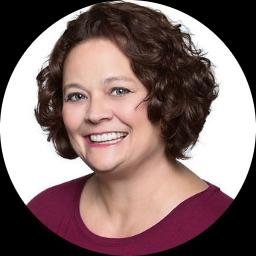
About Lonnie
She uses straightforward conversation and active listening to understand each person's needs. Sessions emphasize practical steps for daily life, such as building routines, managing strong emotions, and improving communication. The goal is steady progress rather than quick fixes.
Dr. Erskine draws on several approaches to guide work in therapy. Client-Centered Therapy keeps the person's goals central, Cognitive Behavioral Therapy (CBT) looks at thoughts and behaviors that keep problems going, and Mindfulness Therapy teaches ways to notice and sit with feelings without reacting. Motivational Interviewing helps when someone feels stuck and wants to find their own reasons to change.
Her practice covers many concerns beyond mood, including parenting stress, addiction, ADHD, intimacy-related issues, and compassion fatigue. She also has experience with attachment and abandonment issues, caregiving strain, and challenges that come with medical or life changes.
People who prefer clear, practical guidance and a supportive space often find this style helpful. To begin, readers should follow the site process to match with Dr. Erskine and schedule a first appointment.
Areas of expertise
Primary focus
Also works with
Additional focus areas
Therapeutic approaches
Experience
9+ years
Credentials
South Carolina
Languages
English
How her approaches translate to online therapy
Dr. Erskine commonly uses Client-Centered Therapy and Cognitive Behavioral Therapy in her work. Client-Centered Therapy means she follows the person's lead, listens closely, and shapes sessions around what the person names as important. Cognitive Behavioral Therapy helps identify unhelpful thoughts and small behavior changes that can reduce anxiety, depression, or problematic routines.Finding the right approach is a collaborative process. She will talk with someone about their goals, preferences, and life demands, then suggest ways of working that fit. Together they check what helps and adjust the approach over time.
Session formats are not specified in the biography, so confirm current options before booking. In general, online work can make it easier to fit therapy into a busy week, allow shorter check-ins when needed, and remove travel time. It also lets people use techniques like thought records, behavior experiments, and mindfulness practices between sessions so therapy connects with everyday life.
Frequently asked questions
What concerns does Dr. Erskine help with?
She works with people facing trauma and abuse, grief, depression, anxiety, self-esteem problems, addictions, parenting stress, ADHD, and related challenges.
What is her therapy style like?
Her style is warm and direct, prioritizing listening and practical steps. Sessions focus on everyday skills and steady progress.
How much clinical experience does she have?
She has nine years of professional work experience as a clinician in mental health settings.
What credentials and region should I know about?
She holds the LPC credential and practices in South Carolina.
Which languages are supported?
Sessions are offered in English.
Can international clients work with her?
International clients are not currently accepted.
How are sessions paid for and what do they cost?
Cost varies with location and therapist availability; sessions use a subscription that can be canceled at any time.
How do I begin working with her?
Use the Start Therapy button, complete the short matching questionnaire, and then schedule according to therapist availability.