- Client-centred care
- Meaning and choice
- Understand past patterns
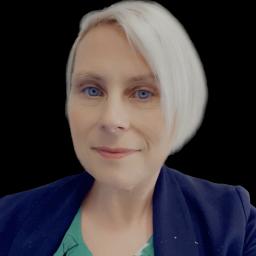
About Louise
She uses a client-centred way of working that puts each person’s experience at the heart of sessions. That means conversations are guided by what matters most to the individual rather than a preset agenda. She also draws on existential ideas about meaning and choice, and psychodynamic ideas about how past experiences affect present feelings.
Louise holds BACP accreditation, which is listed in her professional details. She has around seven years of experience working in the UK setting and brings that background into sessions. She emphasises honesty, gentle challenge and practical thinking when needed.
In the room she encourages people to notice their strengths and small changes that make life easier. Therapy is described as a partnership where the person sets goals and Louise offers ways to reach them. Short-term practical steps and longer conversations about deeper patterns are both used depending on what a person needs.
People who choose her often want direct, plain-spoken support for difficult feelings and life changes. She works to make sessions feel straightforward and focused so that progress can fit into a busy life.
Areas of expertise
Also works with
Additional focus areas
Therapeutic approaches
Experience
7+ years
Credentials
BACP · United Kingdom
Languages
English
Approaches and how online counselling can fit your life
Client-Centred Therapy focuses on listening and following the person's priorities. The therapist offers a supportive space and reflects back what matters, helping people make decisions and build confidence. Existential Therapy looks at meaning, choice and responsibility in life. It can help when people feel stuck, empty or unsure about direction. Psychodynamic Therapy considers how earlier relationships and experiences shape current feelings and reactions, which can be useful for recurring patterns and attachment issues.Finding the right approach is part of the work. The therapist will talk with each person about their goals and preferences and together decide which ways of working suit them best. That choice is reviewed over time as needs change and progress is made.
If you are considering online therapy, check the session options before booking to confirm the current formats offered. Online work can make it easier to fit sessions into a busy week, reduce travel time and allow shorter check-ins when people need them. It also allows people to keep continuity of care when life gets disrupted. Registered or accredited professionals, including therapists who use these approaches, can adapt their methods to suit online meetings and help people apply what they learn into everyday life.
Frequently asked questions
What kinds of problems does she help with?
She helps people with stress, anxiety, trauma and abuse, low self-esteem, depression and addictions, along with related concerns such as grief, anger and compassion fatigue.
What is her style of therapy like?
Her style is conversational and person-led, using client-centred principles to follow what matters most to the individual while offering practical ideas and gentle challenge.
How much professional experience does she have?
She has seven years of experience working in the United Kingdom and brings that background into her practice.
What professional credential does she hold?
Her listed credential is BACP, which is shown in her professional details.
Which languages are sessions offered in?
Sessions are offered in English.
Can people outside the UK work with her?
International clients are not currently accepted; she works with people in the United Kingdom.
How does payment and cost work?
Cost varies with location and therapist availability and sessions use a subscription that can be cancelled at any time.
How do I begin if I want to work with her?
Pick the Start Therapy button, complete a short matching questionnaire, and then schedule a session according to the therapist's availability.