- Focus on strengths
- Plain spoken feedback
- Action oriented goals
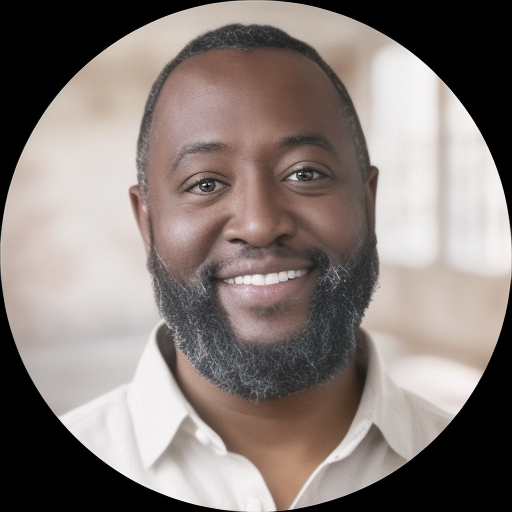
About Marcus
He begins by identifying a person’s natural strengths and talents. Marcus helps people notice negative thoughts that hold them back and learn ways to change those patterns. Sessions are straightforward and action-oriented, so people leave with clear next steps they can try between meetings.
Marcus uses honest feedback and plain language during sessions. He combines one-on-one conversation with exercises that fit into daily life. His aim is to make progress feel understandable and doable, not overwhelming.
He has worked in trauma-informed and group therapy settings in the local community. That background informs his attention to reactions after difficult events and to rebuilding routines after change. Marcus also supports work on attachment and abandonment concerns, communication problems, caregiver stress, and issues related to addiction and separation.
People who meet with Marcus can expect encouragement to take active steps toward their goals. Goals are set to be realistic and measurable. His approach emphasizes steady effort, practical skills, and regular check-ins to track what’s working.
Areas of expertise
Additional focus areas
Experience
3+ years
Credentials
Texas
Languages
English
How evidence-based techniques translate to online care
Marcus uses evidence-based therapeutic techniques that emphasize practical skill building and changing unhelpful thinking. One common approach focuses on identifying negative thought patterns and testing them against real-life evidence to reduce anxiety and low mood. This helps people respond differently to stress and worry. Another approach centers on strength-based work, where sessions identify a person’s natural talents and build on them to improve daily functioning and motivation.Finding the right mix of approaches is part of the work together. Marcus will collaborate with each person to decide which techniques fit their goals, needs, and preferences. That collaborative process includes trying strategies, reviewing what helps, and adjusting plans over time.
If you want online care, confirm the current session options before booking. The practical benefits of online therapy include fitting sessions around work or family routines, avoiding travel time, and using shorter check-ins when schedules are tight. Online work can make it easier to keep consistent appointments and to practice new skills between meetings without adding extra errands.
Frequently asked questions
What concerns does Marcus commonly address?
He helps people with stress, anxiety, trauma and abuse, grief, self esteem, and coping with life changes. There are also supports for issues like attachment, abandonment, caregiver stress, and addiction-related concerns.
What is his therapy style like?
Sessions use plain language and honest feedback. The focus is on identifying strengths, changing negative thought patterns, and taking concrete steps between sessions.
What experience does he bring to sessions?
He has three years of experience and has worked in trauma-informed and group therapy settings in the local community. That background shapes his practical, action-focused approach.
What credentials and region apply to this practice?
Marcus holds the LPC credential, listed as TX LPC, and practices in Texas.
Which languages are supported in sessions?
Sessions are offered in English.
Can international clients work with him?
International clients are not currently accepted.
How are fees and billing handled?
Cost varies with location and therapist availability, and sessions use a subscription that can be canceled at any time.
How do I begin working with Marcus?
Select the Start Therapy button, complete a short matching questionnaire, and schedule according to therapist availability.