- Stress and anxiety
- Grief and loss
- Confidence building
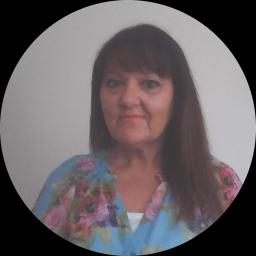
About Margaret
She adapts conversations and plans to each person's situation. Sessions focus on clear goals and small steps that fit everyday life. That might mean looking at routines, communication patterns, or ways to handle difficult feelings.
Margaret works with a wide range of concerns including relationships, addiction, sleep and eating difficulties, and coping with major life changes. She also supports people dealing with trauma, compassion fatigue and neurodiversity-related issues such as autism and attention differences.
Her practice aims to be collaborative. Clients can expect a mix of listening, gentle challenge, and practical exercises to try between sessions. The emphasis is on building strategies that feel realistic and helpful in day-to-day life.
Margaret holds the BACP credential and the NCPS credential. She will discuss how those relate to her work when you talk about your needs. To begin, you would use the service Start Therapy button and complete a short matching questionnaire to find a suitable time to meet.
Areas of expertise
Primary focus
Also works with
Additional focus areas
Experience
12+ years
Credentials
BACP · United Kingdom, NCPS · United Kingdom
Languages
English
Approaches that guide online work and progress
Margaret uses evidence-based therapeutic techniques that focus on practical change and emotional understanding. One common approach is problem-focused work that breaks larger issues into clear, manageable steps to reduce anxiety and improve day-to-day functioning. This helps people who feel overwhelmed by stress or life transitions by giving them small tasks to practise between meetings.An emotional-processing approach is also used to help people work through grief, trauma and painful memories. Sessions offer space to name feelings, notice how they show up in the body, and try out new ways of responding. That can ease intensity and make everyday living more manageable.
Finding the right way of working is part of the process. The therapist will talk with each person about their goals and preferences and then agree a plan together. Clients are invited to feed back on what helps and what does not, so the approach can be adjusted over time.
If you are considering online therapy, confirm the session options available before booking. Online work can make it easier to fit therapy into busy schedules, reduce travel time, and allow quicker check-ins during a work break. It can also let someone choose a quieter setting or avoid being on camera when that suits them better. Registered or accredited professionals can help you decide which format fits your needs and daily life.
Frequently asked questions
What kinds of problems does Margaret address?
She works with stress, anxiety, relationship concerns, grief, self-esteem, career issues, addictions, trauma and many related challenges.
How would you describe her therapeutic style?
Her style is respectful and practical, combining listening with small, achievable steps and exercises to use between sessions.
What level of experience does she bring?
She has 12 years of professional work experience supporting people with a wide range of mental health and life concerns.
What credentials and location are listed?
She holds BACP and NCPS credentials and practises in the United Kingdom.
Which languages are available for sessions?
Sessions are offered in English.
Can international clients work with her?
International clients are not currently accepted.
How are sessions paid for and priced?
Cost varies with location and therapist availability; sessions use a subscription that can be cancelled at any time.
How do I begin working with her?
Use the Start Therapy button, complete a short matching questionnaire, and schedule a session according to the therapist's availability.