- Compassionate listener
- Practical coping tools
- Collaborative process
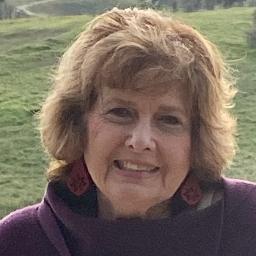
About Mary
Her approach is warm, respectful, and interactive. Mary emphasizes a collaborative relationship where she listens first, then helps people figure out what brought them to therapy. She offers steady support during hard moments and practical tools for everyday problems.
Mary blends several well known approaches to match a person’s needs. She uses client-centered methods to build trust and focus on strengths. Cognitive Behavioral techniques are used to spot unhelpful thinking and try new coping skills. Dialectical Behavior Therapy ideas and mindfulness practices help with emotion regulation and staying present.
Earlier in her career she worked in a range of settings, including private practice, adolescent residential programs, and a domestic violence agency. That experience informs how she supports people through trauma, grief, and family-related struggles.
Sessions begin with a clear look at current concerns and goals. From there, Mary and the client decide together which strategies to try and how progress will be tracked. She frames therapy as a step-by-step process where small changes add up over time.
Areas of expertise
Primary focus
Also works with
Additional focus areas
Therapeutic approaches
Experience
27+ years
Credentials
California
Languages
English
How these approaches work for online therapy
Client-centered therapy focuses on building a trusting, respectful relationship. The therapist listens closely and helps people identify strengths and next steps. This approach is useful when the first need is to be heard and understood.Cognitive Behavioral Therapy, or CBT, helps people notice unhelpful thoughts and try different behaviors. It often includes simple exercises and homework to test new ways of thinking and coping, which fits well with short goal-focused sessions.
Dialectical Behavior Therapy ideas teach skills to manage intense emotions and improve interpersonal effectiveness. Mindfulness practices used alongside DBT can help people stay grounded during stress and reduce reactivity.
Finding the best approach is part of the work together. The therapist will discuss goals and preferences, then try methods that suit the person's situation. That collaborative process helps tailor sessions so they feel useful and relevant.
Session formats are not specified in the biography, so confirm current options before booking. Online therapy can make it easier to fit sessions into a busy life, allow for brief check-ins when time is limited, and reduce travel time. Talk with the therapist about scheduling and the kind of meeting that will work best for everyday routines.
Frequently asked questions
What kinds of problems does this therapist address?
Mary works with a broad range of concerns including stress, anxiety, depression, trauma and abuse, grief, addictions, relationship and intimacy issues, and coping with life changes.
How would you describe the therapeutic style?
The approach is warm, accepting, and interactive, focusing on listening first and then trying practical methods that suit the person's goals and situation.
What experience does the clinician bring?
Mary has 27 years of experience and has worked in private practice, adolescent residential programs, and at a domestic violence agency.
What are the therapist's credentials and location?
She is a Licensed Marriage and Family Therapist - LMFT - licensed in California and practices there.
Which languages are supported for sessions?
Sessions are offered in English.
Can people from other countries work together?
International clients are not currently accepted; work is focused on clients within the therapist's licensed region.
How are fees and billing handled?
Cost varies with location and therapist availability, and sessions use a subscription that can be canceled at any time.
What are the first steps to begin therapy?
Select the Start Therapy button, complete a short matching questionnaire, and schedule according to the therapist's availability.